
This guide covers food and hospitality essentials that keep kitchens, cafés, pubs, caterers, and event teams moving. It also explains why a simple treat like a custard filled donut can be a quiet profit driver when it is done well.
What are the core food and hospitality essentials they should never run out of?
They should lock in the non negotiables: safe storage, clean prep, reliable cooking, fast service tools, and consistent ingredients. These food and hospitality essentials reduce waste, speed up service, and protect reputation.
In practice, it means planning for peak periods, local supplier delays, and Australian heat. If stock control and routines are tight, staff can focus on the guest experience instead of scrambling. This is especially important for popular treats like a custard filled donut, where freshness, temperature control, and timely preparation can influence customer satisfaction.
How does food safety and hygiene become one of the most important food and hospitality essentials?
It becomes essential because one mistake can shut a venue down, especially during busy seasons in Sydney, Melbourne, Brisbane, Perth, Adelaide, or regional hubs. Clear hygiene routines are food and hospitality essentials that protect customers and staff.
They should keep temperature logs, label and date all items, and separate raw and ready to eat foods. Strong allergen handling matters too, particularly when menus change often or casual staff rotate through shifts.
Which storage and cold chain practices count as food and hospitality essentials in Australia?
They count because Australian summers can push fridges, freezers, and deliveries to the limit. The cold chain is one of the most overlooked food and hospitality essentials, yet it directly affects quality and safety.
They should check fridge seals, avoid overfilling, and cool cooked food quickly before storing. During deliveries, they can prioritise chilled and frozen stock first, then get dry goods away from heat and humidity.
What kitchen equipment should they treat as food and hospitality essentials, not “nice to have”?
They should treat reliable cooking and prep gear as essentials because inconsistency costs more than the equipment. For many venues, these food and hospitality essentials include a dependable oven or combi, sharp knives, calibrated thermometers, and sturdy prep benches.
Small items matter too. Spare tongs, scoops, chopping boards, and labelled containers prevent bottlenecks when the rush hits and the dishie is already flat out. Maintaining an organised commercial kitchen equipment checklist can help hospitality businesses prepare for busy periods, reduce delays, and keep daily service running smoothly.
How do menu planning and ingredient consistency become food and hospitality essentials?
They become essential because guests return for the same taste and portion every time. Tight specs and repeatable recipes are food and hospitality essentials that reduce training time and stop food cost blowouts.
They can standardise batch recipes, portion with scales, and build a menu that shares ingredients across dishes. In Australia, they can also rotate seasonal produce while keeping signature items stable.
Why are service workflow and front of house tools considered food and hospitality essentials?
They are essential because the best kitchen output still fails if it arrives late, wrong, or cold. Smooth workflow and the right tools are food and hospitality essentials for cafés, pubs, and high volume takeaway.
They can optimise pass layout, print clear dockets, and set simple rules for handover and table running. Even basics like water jugs, tray stands, and a reliable EFTPOS setup reduce friction and lift table turns.
What purchasing and supplier relationships are food and hospitality essentials for Australian venues?
They are essential because supply issues are normal, especially for regional venues or during holiday peaks. Strong supplier relationships and smart purchasing are food and hospitality essentials that protect margins. Building a hospitality supply chain strategy can also help businesses manage stock availability, control costs, and maintain consistent service during periods of high demand.
They can keep at least one backup supplier for key categories, confirm lead times before promotions, and track price changes weekly. In metro areas, they might use multiple specialty suppliers, while regional teams may rely on fewer partners and plan further ahead.
Why does custard filled donut matter too, alongside food and hospitality essentials?
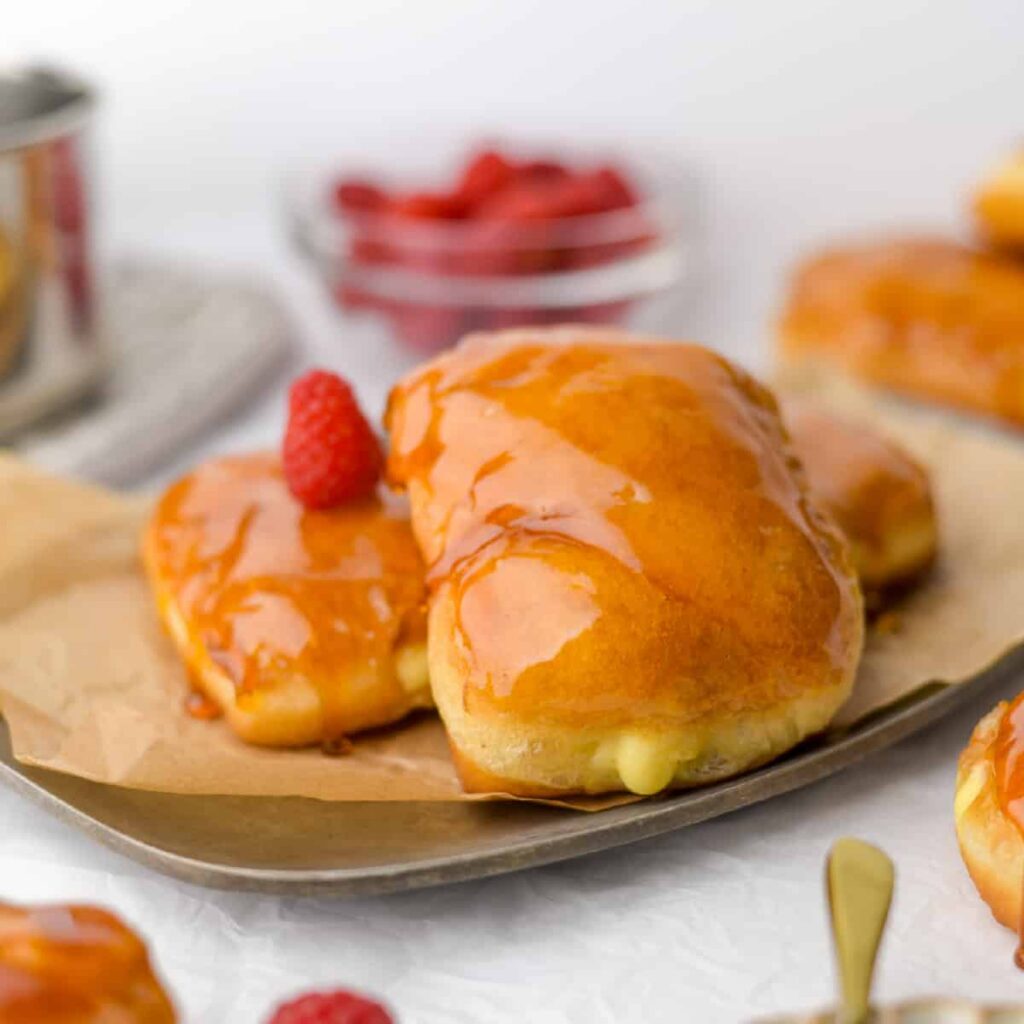
It matters because it can be a high margin, high appeal add on that sells fast with coffee, late night service, or events. A well executed custard filled donut complements food and hospitality essentials by improving average order value without adding complex kitchen load.
They can position it as a hero item near the counter, on delivery platforms, or as part of catering packs. In Australia, it also suits seasonal promotions, from winter comfort menus to summer beachside kiosks.
How can they make a custard filled donut work as a practical product, not just a treat?
They can make it practical by standardising the fill, portion, and holding time so quality stays consistent. A custard filled donut works best when it is soft, fresh, and filled generously, without leaking or going soggy.
They should decide whether it is made in house, finished in house from a supplier base, or sourced fully made. Each option can work if they control freshness and presentation, especially during the morning rush.
What makes a custard filled donut “good” in an Australian café or bakery context?
A good custard filled donut has a light dough, balanced sweetness, and custard that tastes like real dairy and vanilla. Texture is the difference between a one off purchase and a repeat habit.
They should keep it consistent across locations and shifts, and train staff on handling so it does not collapse or dry out. When done right, a custard filled donut becomes a signature that guests recommend.
How should they price and upsell a custard filled donut without annoying customers?
They should price it to reflect labour and waste, then upsell it as an easy add on rather than a hard sell. A custard filled donut often performs best when bundled with coffee or offered as a limited flavour run.
They can also use simple signage at the point of sale and photos on online menus. If staff suggest it naturally, it feels helpful, not pushy.

Which operational checks keep a custard filled donut consistent during busy shifts?
They should control fill volume, storage, and turnover time, then assign a clear prep schedule. A custard filled donut can lose quality quickly if it sits too long, especially in warm venues or display cases with dry airflow.
They can set a small batch system and mark time stamps. If demand spikes, they can switch to faster finishing steps rather than trying to produce everything from scratch mid service.
What are the seven food and hospitality essentials they can action this week?
They can action these quickly because they are systems more than big purchases. These food and hospitality essentials create stability, then give teams room to improve food quality and service. Implementing hospitality operations management practices can help businesses streamline daily workflows, improve consistency, and build stronger foundations for long-term growth.
- Daily temperature and cleaning checks with clear accountability.
- Better labelling and FIFO routines across all storage zones.
- Standard recipes and portion control to protect consistency.
- Service station reset rules for every shift change.
- Par levels for core stock so busy days do not empty shelves.
- Two supplier options for the most critical categories.
- One hero add on item, such as a custard filled donut, designed for fast upsell.
What should they take away from food and hospitality essentials and the custard filled donut idea?
They should treat fundamentals as the real growth lever, because guests reward consistency more than novelty. Strong food and hospitality essentials reduce chaos, protect margins, and improve reviews.
Then a simple product like a custard filled donut can do more than add sweetness. It can lift daily revenue, build habit, and give staff an easy recommendation that customers actually want.
Leave a Reply