What is this food and hospitality FAQ actually for?
This food and hospitality FAQ is designed to answer common “before they start” questions in plain terms. It helps them avoid expensive surprises around training, compliance, staffing, margins, and customer expectations in Australia.
It is not legal advice, but it gives a grounded checklist they can use to plan their first weeks properly.
What roles count as “food and hospitality” in Australia?
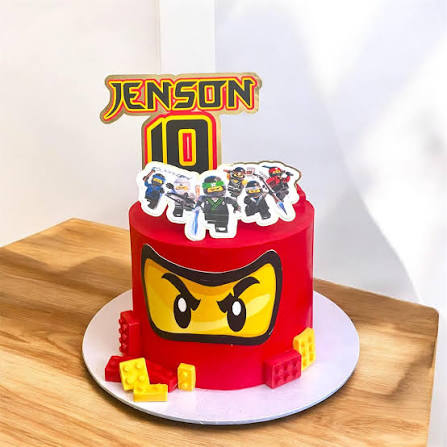
In Australia, food and hospitality usually covers cafés, restaurants, pubs, clubs, hotels, quick service, catering, events, and accommodation food service. It also includes front of house, kitchen, bar, and many support roles such as cleaning and dishwashing. Custom dessert businesses are also part of this industry, with products like a ninjago cake becoming popular choices for themed celebrations and personalised event experiences.
If they handle food, serve drinks, host guests, or manage venue service standards, they are typically in the sector.
What should they learn first if they have no experience?
They should learn the rhythm of service and the basics of food safety before anything else. A few shifts in a busy venue, even as a runner or kitchen hand, can teach more than weeks of theory.
They will also benefit from learning how bookings, prep lists, stock rotation, and cleaning schedules work, because those systems prevent chaos when it is busy.
What training or certificates do they usually need?
Most venues expect staff to understand safe food handling, and many roles benefit from formal hospitality training through TAFE or Registered Training Organisations. For alcohol service, RSA requirements apply, and rules vary by state and territory.
Because requirements can change, they should check their state regulator and their employer’s policies before they start.

What are the key food safety and hygiene expectations?
Australian venues are expected to follow strict food safety standards, including temperature control, cross-contamination prevention, allergen awareness, and proper cleaning and sanitising. Staff are usually trained to document checks, not just “do the right thing.”
This food and hospitality FAQ point matters because the real risk is not just a bad review, it is a reportable incident. Understanding food safety compliance requirements can help businesses follow proper procedures, reduce risks, and protect both customers and staff from preventable issues.
What do they need to know about allergens and special dietary requests?
They should treat allergen questions seriously and avoid guessing. If a customer mentions an allergy, staff should follow the venue’s process, confirm ingredients, and communicate clearly with the kitchen.
A good habit is repeating the request back to the customer and noting it in the order system, because miscommunication is where most problems begin.
What is the reality of pay, penalties, and rosters?
Rosters can include early starts, late finishes, weekends, and public holidays, and pay can depend on classification, duties, and the relevant award or agreement. They should read their payslips and keep personal records of hours worked.
This food and hospitality FAQ recommends they check Fair Work resources and ask questions early, since payroll mistakes are easier to fix quickly than months later. Understanding hospitality award wage requirements can help employers manage pay rates, employee entitlements, and workplace obligations while reducing the risk of costly payroll errors.
How can they avoid common mistakes on their first shift?
They should arrive early, wear the correct uniform, and clarify expectations before service begins. If they do not know something, asking once is better than guessing repeatedly in front of customers.
They will also do better if they carry a small notebook, learn table numbers quickly, and focus on calm, clear communication with the team.
What equipment and tools should they bring or buy?
Most venues supply major equipment, but staff often bring basics like non-slip shoes, a pen, and sometimes a wine key or bar blade for bar roles. Kitchen staff may bring their own knives, but only if the venue permits it and they can store them safely.
For comfort and safety, good shoes matter more than almost anything else in the first month.
How do venues make money, and what do margins look like?
Margins can be tighter than newcomers expect, especially with rent, wages, insurance, utilities, and waste. Many venues rely on consistent volume, upsells, and tight portion control, not huge mark-ups.
This food and hospitality FAQ suggests they learn the difference between busy and profitable, because a packed venue can still struggle if costs are unmanaged.
What should they know before they start a food business of their own?
They should validate demand, understand their costs, and plan compliance before they sign a lease or buy equipment. Councils and state regulators may require approvals, inspections, and documented food safety processes.
They will also need a realistic staffing plan, because the owner often becomes the backup for every role when someone calls in sick.
How do they handle customer complaints without making it worse?
They should listen, acknowledge, and offer a clear next step, such as replacing an item or involving a manager. Arguing rarely helps, even if the venue is technically correct.
This food and hospitality FAQ approach is simple: keep the tone respectful, document serious incidents, and move the conversation toward a fair outcome.
What are the biggest health and wellbeing risks in hospitality?
The most common issues are fatigue, stress, dehydration, repetitive strain, and injuries from slips or burns. Late finishes can also affect sleep and mental health, especially when paired with study or another job.
They should take breaks when allowed, drink water, and report hazards, because injuries often come from rushing in a messy workspace.
How can they build a career, not just work shifts?
They can progress by learning multiple stations, asking for feedback, and showing reliability during peak periods. Skills like coffee, cocktails, reservations systems, and basic supervision can increase their options quickly.
This food and hospitality FAQ also recommends they keep a simple record of achievements, since it helps when applying for better roles in other venues or cities.
What should they know about events, birthdays, and themed cakes like a Ninjago cake?
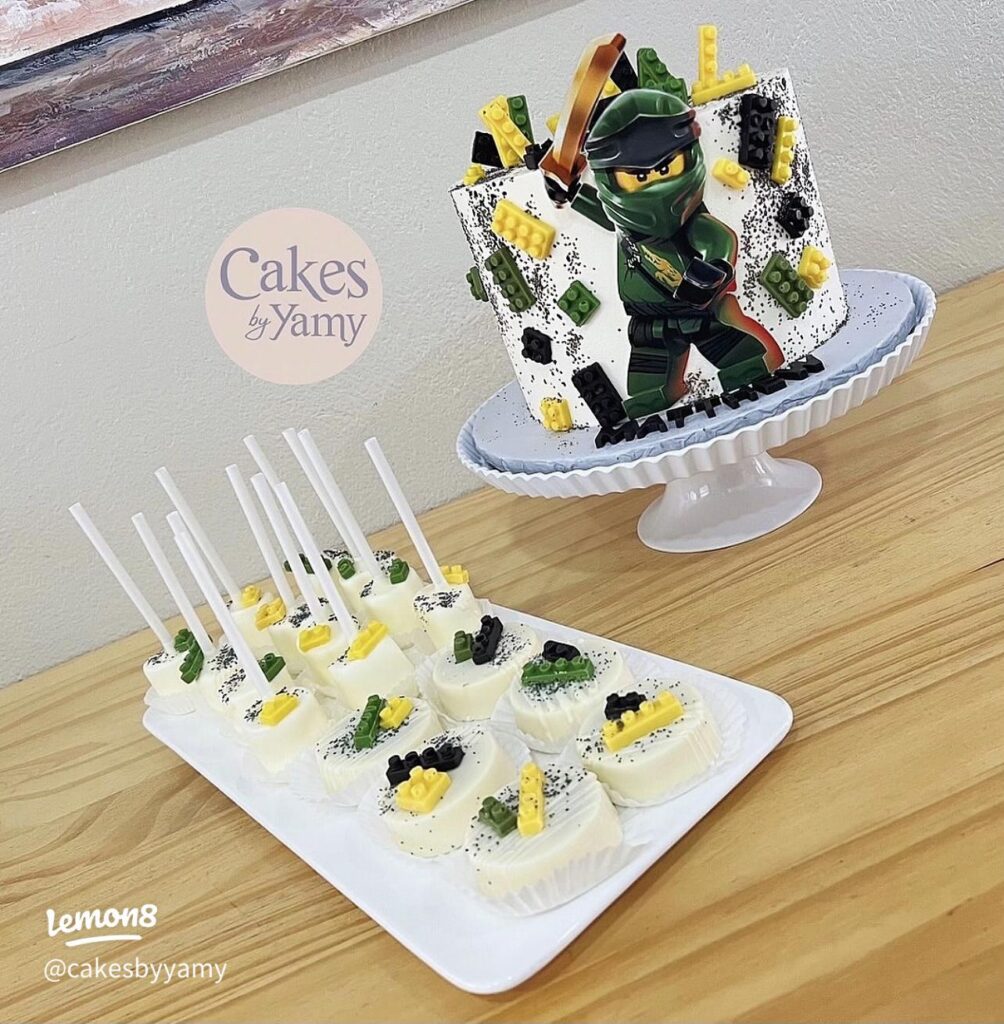
A Ninjago cake can be a strong upsell for kids’ parties, but they should plan it like a mini project: theme, colours, servings, storage, delivery, and allergies. In Australia, summer heat and transport time can ruin buttercream quickly, so they should choose stable finishes and reliable packaging.
If a venue offers a Ninjago cake as part of an event package, they should confirm lead times, dietary needs, and whether the cake is made in-house or sourced from a local bakery.
How should they price and communicate custom cake requests?
They should price based on portions, labour, materials, and risk, not just ingredients. A written confirmation helps, including pickup time, design reference images, inscription spelling, and what happens if the customer changes the brief late. For custom creations like a Unicorn Cake, using a clear custom cake pricing guide can help customers understand design complexity, preparation time, and the factors that influence the final cost.
This food and hospitality FAQ tip saves headaches: set boundaries on revisions and be clear that exact character designs may vary depending on tools, edible prints, or licensing constraints.
What is the simplest checklist they can follow before they start?
They should confirm their role requirements, check training needs, understand roster expectations, and learn the venue’s service standards. They should also prepare the basics: shoes, presentation, punctuality, and a willingness to learn fast.
This food and hospitality FAQ takeaway is straightforward: the people who succeed early are rarely the most talented on day one, they are the most consistent, coachable, and prepared.
Leave a Reply