The smartest operators treat creativity as a layer on top of fundamentals. When they do, food and hospitality becomes easier to scale, easier to staff, and more consistent across busy weekends and quiet midweeks.
What does “getting the basics right” mean in food and hospitality?
It means they build reliable systems before adding flair. In food and hospitality, basics are the habits that protect quality on the busiest shift.
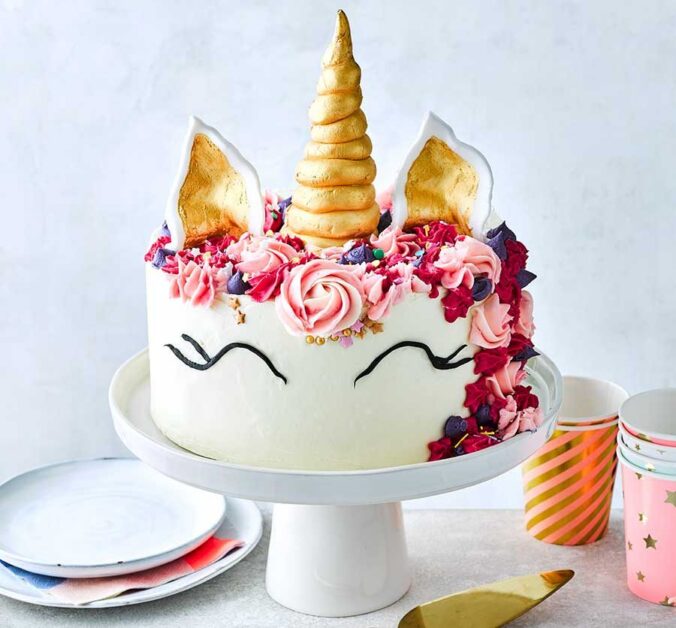
They usually start with mise en place, clear station ownership, and a simple pass system. In a Sydney café or a Brisbane functions venue, the same rule applies: if prep lists are vague and handovers are messy, no garnish or unicorn cake will save service. A well-organised kitchen ensures that even customised desserts and celebration cakes are prepared and delivered with the quality customers expect.
How do they choose a concept that fits Australian customers?
They pick a concept that matches the local day-to-day, not just their personal taste. In food and hospitality, the best concepts feel obvious to the neighbourhood.
In Melbourne, that might mean specialty coffee with a tight breakfast menu and fast table turns. In regional NSW or WA, it might mean family-friendly dining, generous portions, and practical takeaway packaging. They can still be creative, but the concept has to fit real foot traffic and real budgets.
What should their menu focus on first?
It should focus on repeatable items that hold quality under pressure. Food and hospitality menus work best when the first version is small, profitable, and easy to execute.
They often start by choosing a handful of hero items, then building sides and add-ons that share ingredients. That reduces waste and makes ordering simpler. A tight menu also makes training easier, which matters when casual staffing changes week to week.
How can they keep food quality consistent across shifts?
They document the work and make standards visible. In food and hospitality, consistency comes from clear portioning, prep methods, and checks that happen every day. Creating standard operating procedures for hospitality can help teams maintain quality, train new staff faster, and ensure daily processes are followed across every service period.
They can use weighed recipes, photo plating guides, and a short pre-service briefing. Many Australian venues also use a simple “one taste” rule, where sauces and batters are checked at a set time. Consistency is rarely about talent alone; it is about repeatable steps.

How do they build service that feels warm but efficient?
They train for pace and tone at the same time. Food and hospitality service is strongest when customers feel looked after without delays or awkward hovering.
They can script the essentials, greeting, water, menu cues, and bill timing, then encourage staff to personalise in small ways. In Perth or Adelaide, the same approach works: make the service rhythm predictable, then let personality sit on top of it.
What role does kitchen workflow play in profitability?
It is a major driver of labour cost and speed of service. In food and hospitality, a kitchen can lose money even with strong sales if the workflow is chaotic.
They can improve profitability by setting up stations to reduce steps, keeping high-use items within reach, and limiting last-minute customisation. A better workflow also reduces mistakes, which protects food cost and prevents comped meals on busy nights.
How should they approach food safety and compliance in Australia?
They treat compliance as part of daily operations, not paperwork. In food and hospitality, safety standards protect customers, staff, and the business. Implementing a food safety management system can help businesses monitor risks, maintain consistent procedures, and create a safer environment across all areas of operation.
They should follow state and local council requirements, keep temperature logs where needed, and label allergens clearly. It also helps when staff know the “why” behind rules, like cooling times and cross-contamination risks. A calm, consistent routine makes audits far less stressful.
When does it make sense to add showpieces like a unicorn cake?
It makes sense when the venue can produce it consistently, price it properly, and deliver it without disrupting service. In food and hospitality, showpieces should be strategic, not impulsive.
A unicorn cake can suit a café that already sells celebration cakes, a Gold Coast party venue, or a catering business targeting kids’ birthdays. If they cannot control production time, storage, and delivery, the item can quickly become a profit leak.
How can they price a unicorn cake without undercharging?
They price it from true costs, not competitor screenshots. In food and hospitality, cake pricing should include ingredients, labour, overheads, and risk.
They can calculate a base sponge and buttercream cost, then add time for shaping, colouring, decorations, and packing. Delivery and setup should be separate line items in many cases. In cities like Canberra and Hobart, customers often accept higher pricing when the quote is clear and professional.
What’s the best way to balance creativity with speed of service?
They standardise the parts customers do not notice, then customise the parts they do. Food and hospitality creativity works best when it is designed for repeatability.
For a unicorn cake, they can standardise sponge flavours, fillings, and structural supports, then vary colours and toppers. On savoury menus, they can keep base sauces and prep the same while rotating seasonal garnishes. The goal is a creative look with a predictable process.
How do they source ingredients and supplies in Australia without blowing costs?
They build a shortlist of reliable suppliers and review it regularly. In food and hospitality, sourcing is a competitive advantage when it is stable and price-aware.
They can compare local produce markets, national wholesalers, and direct-from-producer options, depending on volume. Many venues also use seasonal menu planning to reduce cost spikes. If a premium ingredient is essential, they can design the dish so the portion is controlled and the value is obvious.
How can they market both everyday meals and celebration items?
They separate the message while keeping the brand consistent. In food and hospitality, marketing should match what customers are buying that day.
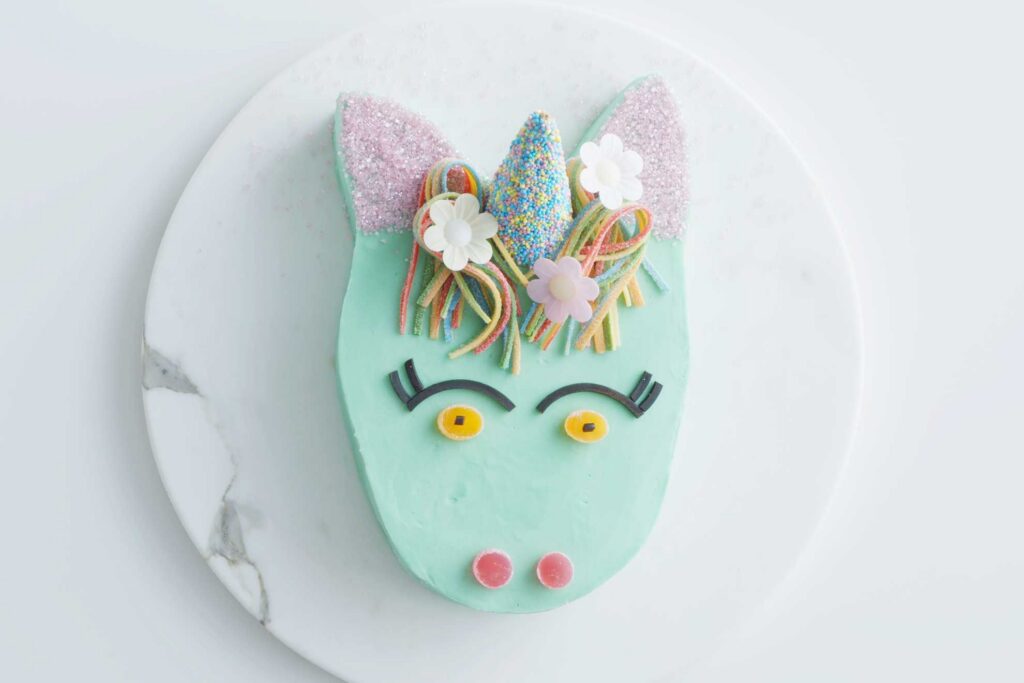
For everyday trade, they can highlight speed, value, and signature items on Google Business Profile and local SEO. For unicorn cake orders, they can use clear booking steps, lead times, and pickup details on their website, plus simple photo sets on Instagram. It helps when they show real Australian orders, not stock images.
What should they track each week to know what’s working?
They track a few numbers that connect directly to action. In food and hospitality, too many metrics can hide the problems that matter.
Most teams benefit from watching food cost percentage, wage percentage, average transaction value, waste, and customer feedback themes. For cake and catering work, they can also track enquiry-to-booking rate and how long production takes per order. Weekly review turns guesswork into decisions.
How do they choose the “right approach” from basics to unicorn cake?
They start with stable operations, then add profitable creativity. In Food and Hospitality, the right approach is the one they can deliver every day, even when staff change and weekends get busy. Introducing creative products like a Ninjago Cake works best when supported by strong bakery production planning that helps teams manage preparation, quality control, and customer expectations during busy periods.
If they nail prep, workflow, service rhythm, and costing, they earn the freedom to add standout items like a unicorn cake. That is how Australian venues stay consistent, build word of mouth, and grow without burning out their teams.