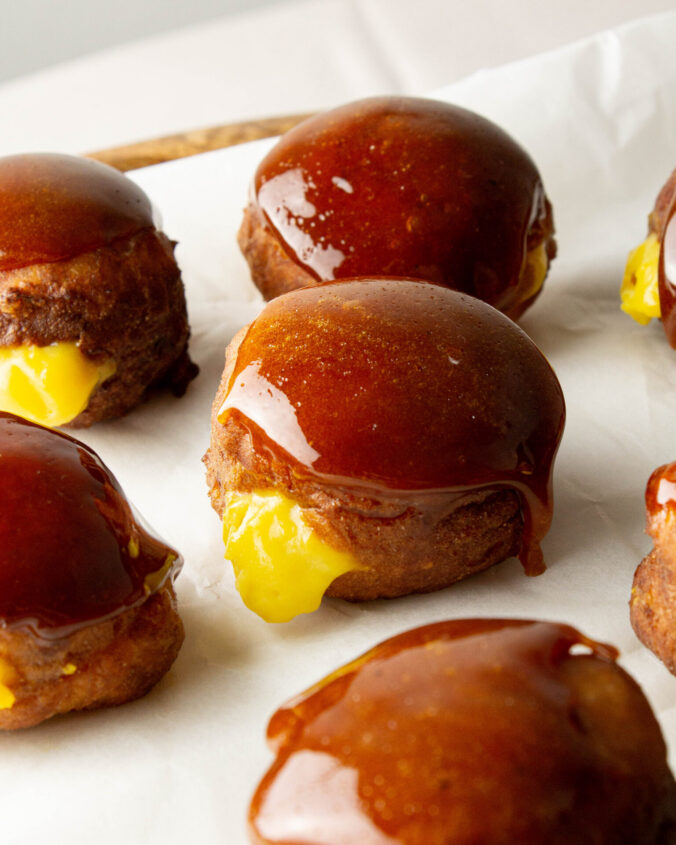
This guide covers the key decisions businesses in Australia tend to weigh up, including where trend items like creme brulee donuts can help, and where they can quietly hurt.
What does “food and hospitality” actually include in Australia?
Food and hospitality covers cafés, restaurants, pubs, clubs, bakeries, caterers, food trucks, and venues that serve food alongside experiences. In Australia, it also includes takeaway-first operators, delivery kitchens, and hybrid spaces such as roasteries that run tastings and events. Popular specialty products like creme brulee donuts also show how bakeries and dessert businesses are creating unique offerings to attract customers through memorable flavours and experiences.
Because margins are tight, food and hospitality operators often win through consistency rather than constant novelty.
Why do margins feel so tight in food and hospitality?
Margins feel tight because the costs that matter most move fast while menu prices move slowly. Wages, rent, insurance, energy, card fees, and supplier pricing can rise within a quarter, but customers still compare prices to last year.
In food and hospitality, a small slip in portioning, rostering, or waste can erase the profit on a busy weekend.
How should they choose a concept that suits their suburb?
They should match the concept to local foot traffic, trading hours, and what people already buy nearby. A commuter strip near a Sydney station may favour fast service and strong coffee, while a destination area in Hobart might reward longer stays and seasonal plates.
Food and hospitality concepts usually perform best when they fit the daily routine of the local area, not just the owner’s taste.
What should they weigh up when designing a menu?
They should design the menu around items that sell often, hold quality during service, and share ingredients across dishes. A smaller menu can reduce waste and speed up the pass, while a large menu can dilute training and consistency.
Food and hospitality concepts usually perform best when they fit the daily routine of the local area, not just the owner’s taste. Conducting hospitality market research can help businesses understand customer preferences, local demand, and changing dining habits before investing in a new concept or expanding an existing one.

How can they price items without scaring customers off?
They can price confidently when they understand their food cost, labour time, and realistic portion size. Instead of copying a competitor’s price, they can calculate a target margin and adjust portioning or components to land at a fair number.
Food and hospitality customers accept premium pricing when they can feel the value in service, portion, or uniqueness.
When do trend items like creme brulee donuts make sense?
Creme brulee donuts make sense when they match the brand and can be produced consistently at scale. They can lift average spend, drive social sharing, and create a reason for customers to visit at a specific time.
In food and hospitality, creme brulee donuts work best as a limited run with a clear prep plan, rather than as a permanent item that places unnecessary pressure on the kitchen. Businesses can use a seasonal menu planning strategy to test customer demand, manage ingredient costs, and introduce specialty items without affecting daily operations.
What operational risks come with creme brulee donuts?
They can introduce extra steps, extra equipment, and extra failure points, especially around filling, setting, and finishing. If the brûlée topping softens during humidity or transport, the product can lose the “crack” customers expect.
Food and hospitality teams often underestimate how much creme brulee donuts depend on timing, storage, and staff technique across a full service.
How should they test creme brulee donuts before a full launch?
They can run a controlled pilot with limited quantities, fixed days, and a clear prep sheet. They can track sell-through time, waste, staff minutes per batch, and customer feedback, then decide whether the product is worth keeping.
In food and hospitality, a good pilot for creme brulee donuts also checks whether the item steals attention from higher-margin staples.
How do staffing and rostering decisions affect the guest experience?
Staffing shapes everything customers notice, from wait times to table resets to how problems are handled. Under-rostering can boost short-term wages percentage but can damage reviews and repeat visits, while over-rostering can drain profit on quiet days.
Food and hospitality operators usually improve results when they roster to patterns, not hopes, and train for multi-skilling.
What should they consider about training and consistency?
They should document key processes so the product stays stable when the best staff member is not on shift. Simple tools like recipe cards, plating guides, and service scripts reduce variation without making the team robotic.
In food and hospitality, consistency is often the real “signature,” and it protects them when staff turnover hits.
How can they manage suppliers and ingredient volatility?
They can build relationships with multiple suppliers and keep a short list of acceptable substitutes. Seasonal purchasing, flexible specials, and menu engineering can reduce exposure when produce pricing jumps in Melbourne, Brisbane, or Perth markets.
Food and hospitality businesses that communicate early with suppliers are more likely to secure reliable delivery windows and stable quality.
What role does compliance play in daily operations?
Compliance is not optional, and ignoring it usually costs more later. They need current food safety practices, allergen awareness, cleaning schedules, and safe storage, plus licensing that fits their service style, whether it is a café in Adelaide or a venue in regional NSW.
Food and hospitality teams that treat compliance as routine tend to avoid the stress of last-minute fixes and complaints.
How should they think about ambience, service style, and brand?
They should design the experience to match what they sell and what customers are paying for. Fast-casual can succeed with bright lighting and quick greetings, while higher-end dining often needs quieter acoustics, paced service, and staff who can explain the menu clearly.
In food and hospitality, brand is the gap between expectation and reality, and customers post online when that gap is wide.
Is delivery worth it for food and hospitality operators?
Delivery can help when the menu travels well and the pricing model covers fees and packaging. It can also create hidden costs through remakes, late drivers, and quality drops, especially for fried items, ice-based drinks, and delicate desserts.
Food and hospitality businesses often do better when they treat delivery as a separate channel with its own menu and prep rules.
How can marketing work without feeling pushy?
They can focus on clear offers, strong photos, and local visibility rather than constant discounts. A reliable Google Business Profile, updated hours, accurate menus, and simple content showing the kitchen at work can outperform flashy campaigns.
In food and hospitality, marketing usually works best when it highlights what is already good, including limited releases such as creme brulee donuts.
What should they track each week to stay profitable?
They should track sales mix, labour percentage, food cost, waste, and customer feedback. They can also watch the performance of signature items and seasonal specials to see whether they drive repeat visits or only one-off curiosity.
Food and hospitality improves fastest when the numbers are checked weekly, not only when the bank balance feels tight.
How can they decide whether to keep creme brulee donuts long term?
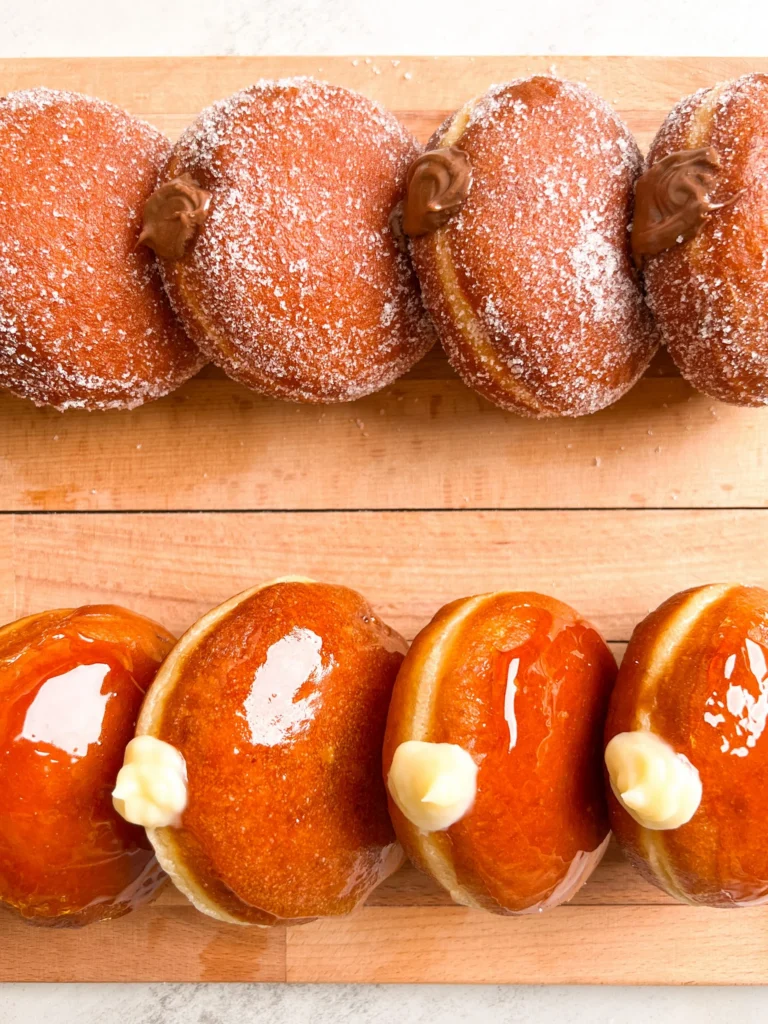
They can keep custard filled donut and creme brulee donuts on the menu if the items remain profitable after labour, waste, and packaging are counted, and if they fit the brand without distracting the team. They can also rotate flavours or make specialty donuts a weekend-only feature to protect consistency. Reviewing menu profitability strategies can help food businesses balance customer demand, operational capacity, and overall margins.
In food and hospitality, creme brulee donuts are most valuable when they support the core offer, not when they become the entire story.
What is the simplest way to weigh everything up?
They can weigh everything up by returning to three checks: does it sell, can it be repeated, and does it strengthen the brand. If the answer is yes, it is usually worth refining; if the answer is no, it is usually better to remove it fast.
Food and hospitality rewards operators who make small, disciplined decisions, even when a new trend like creme brulee donuts looks tempting.
Leave a Reply