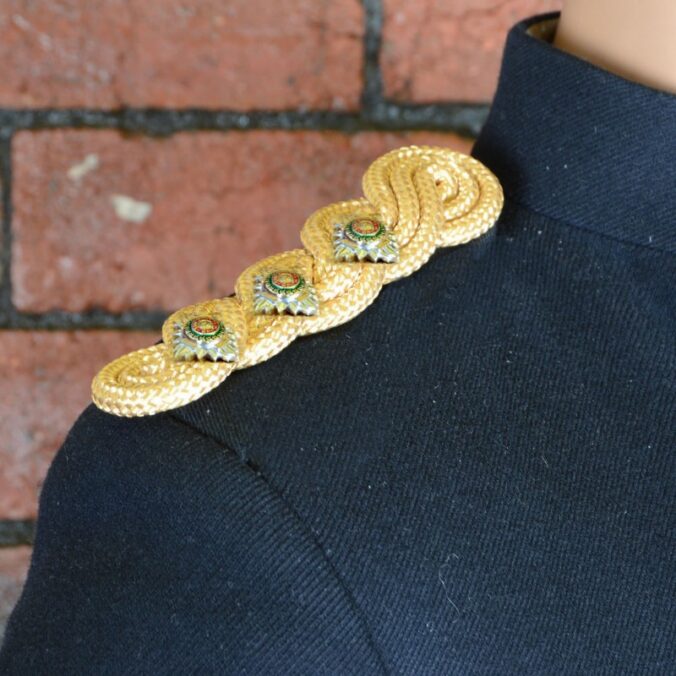
For any team in uniform, shoulder boards help turn “clothing” into a system. That system shapes how staff feel in their roles and how customers judge the brand behind them.
What are shoulder boards, and why do they matter?
Shoulder Boards are structured pieces worn on the shoulders of a uniform, usually showing rank, role, or qualification. They matter because they standardise how authority and responsibility are recognised at a glance.
When they are clear and consistent, they reduce confusion in busy environments. When they are messy or mismatched, they quietly undermine trust in the uniform and the organisation.
How do shoulder boards communicate brand identity instantly?
They communicate brand identity through visual cues: colour, material, typography, symbols, and how refined the finish looks. These cues tell people whether the brand feels traditional, modern, strict, premium, or practical.
A crisp, well-made shoulder board suggests discipline and investment in standards. A flimsy or cluttered one suggests cost-cutting or a lack of attention to detail, even if the rest of the uniform is decent.
What do shoulder boards signal about authority and competence?
They signal who leads, who supports, and who is accountable in a setting. That clarity influences how the public approaches staff and how quickly issues get resolved.
They also affect perceived competence. When rank and role markers are easy to read, people feel guided. When they are ambiguous, staff may have to explain themselves, which weakens confidence and slows service.
How do colours and materials shape the message?
Colours and materials set the emotional tone of a uniform. Darker palettes tend to feel formal and authoritative, while lighter tones can feel approachable and service-led.
Material choices matter too. Matte finishes can look understated and functional, while polished trims can feel ceremonial or premium. If the brand values “quiet professionalism”, overly shiny elements can clash with that promise.
How do insignia and symbols reinforce values and culture?
Insignia and symbols are shortcuts to meaning. A simple stripe system can suggest operational clarity and fairness, while complex crests can signal heritage and tradition.
Symbols also shape internal culture. If qualifications, training milestones, or specialist roles are represented properly, staff feel recognised. If symbols are inconsistent or unclear, recognition feels arbitrary and morale can take a hit.
How do shoulder boards affect customer trust and first impressions?
They influence trust because they make uniforms legible. Customers and the public want to know who can help, who is in charge, and who is responsible.
In sectors like security, aviation, hospitality, and events, shoulder boards reduce uncertainty. That reduction is part of the customer experience, even if customers never consciously think about it.
How do shoulder boards support internal hierarchy without harming approachability?
They support hierarchy by making it visible, but they do not have to create distance. The trick is balancing clarity with warmth in the overall uniform design.
For example, approachable colours, friendly name badges, and clear service roles can sit alongside visible rank. That way, customers still know who to speak to, but staff do not feel uninviting.
What happens when shoulder boards are inconsistent or poorly designed?
Inconsistency creates noise. If different sites, departments, or suppliers produce slightly different designs, people notice the mismatch and assume the organisation is disorganised.
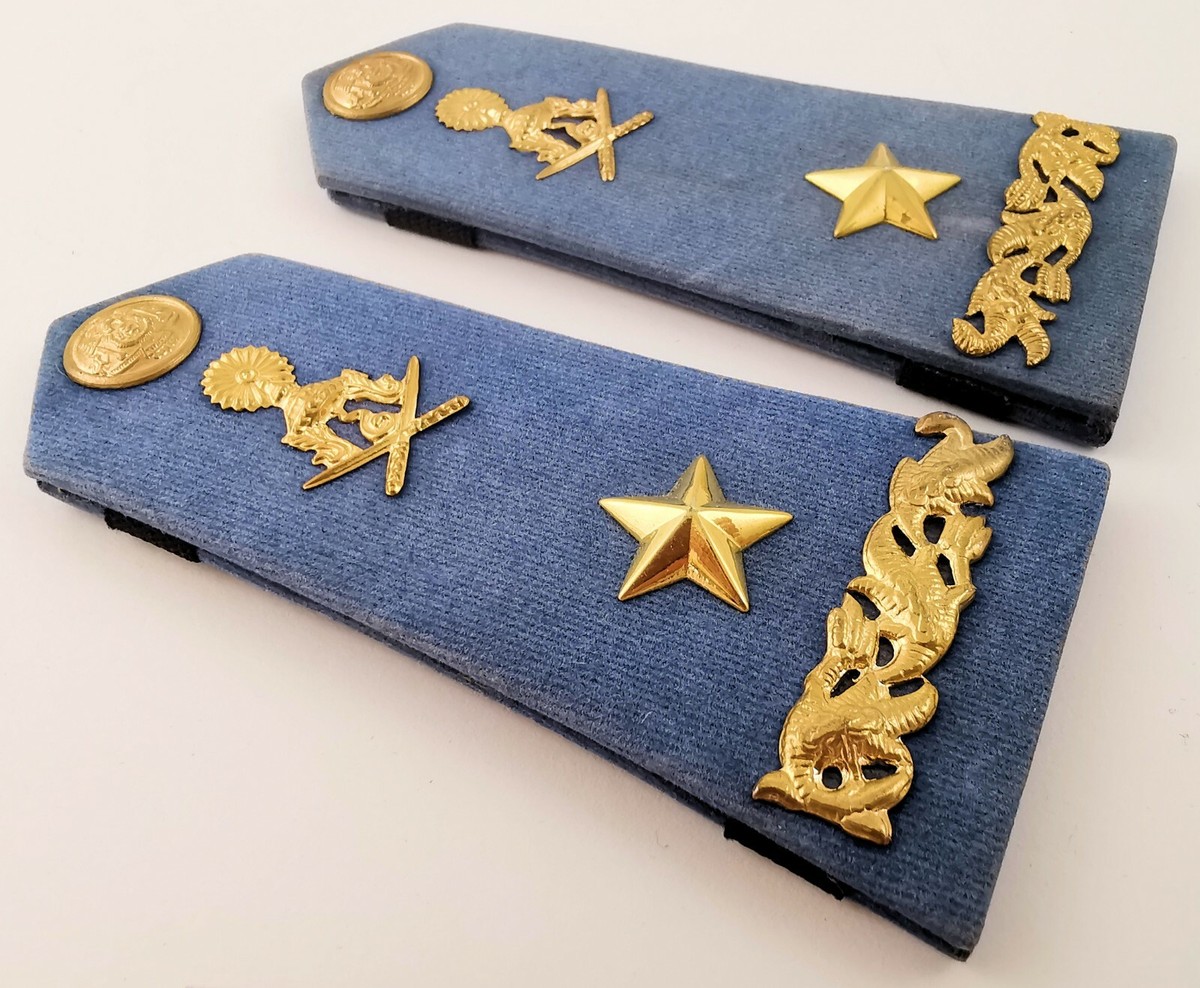
Poor design causes practical problems too. If text is too small, colours are low contrast, or rank systems are overly complicated, the shoulder boards stop doing their job. Staff then rely on verbal explanations, which defeats the purpose. Click here to get about how to design a car air freshener custom strategy that sicks.
How can shoulder boards be aligned with a modern brand style?
They can be aligned by treating them like brand assets, not accessories. That means using the same rules applied to logos and signage: consistent colours, standard spacing, legible type, and a clear system of meaning.
Modern brands often benefit from restraint. Fewer elements, cleaner layouts, and durable materials tend to look more contemporary, and they reproduce more reliably across suppliers and uniform batches.
What should organisations consider before choosing shoulder boards?
They should start with function, then design. The organisation needs to define what shoulder boards must communicate: rank, department, qualifications, or all three, and how quickly that must be understood.
They should also consider wear and maintenance. If shoulder boards fray, fade, or detach easily, the uniform degrades in public view. A simple system that stays sharp after repeated use usually outperforms a complex one that only looks good on day one.
What is the simplest way to get shoulder boards right?
The simplest way is to design a clear, consistent visual system and enforce it. One rank structure, one set of colours, one production standard, and a replacement process that keeps everything matching.
When shoulder boards are treated as part of brand identity, they stop being decoration. They become a small, reliable sign that the organisation knows who it is and runs itself properly.
FAQs (Frequently Asked Questions)
What are shoulder boards and why are they important in uniforms?
Shoulder boards are structured pieces worn on the shoulders of a uniform, typically indicating rank, role, or qualification. They are important because they standardise how authority and responsibility are recognised at a glance, reducing confusion and enhancing trust in busy environments.
How do shoulder boards communicate an organisation’s brand identity instantly?
Shoulder boards communicate brand identity through visual cues such as colour, material, typography, symbols, and the quality of their finish. These elements convey whether a brand is traditional, modern, strict, premium, or practical, influencing first impressions before any interaction.
In what ways do shoulder boards signal authority and competence to customers?
Shoulder boards clearly indicate leadership hierarchy and accountability within a team. When rank and role markers are easy to read, they guide public interactions efficiently, boosting perceived competence and confidence in staff while speeding up service delivery.
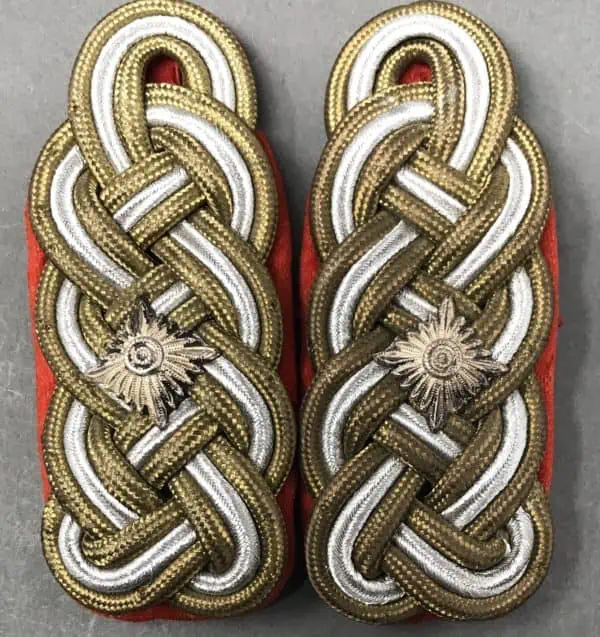
How do colour choices and materials used in shoulder boards affect the message they send?
Colours and materials set the emotional tone of a uniform; darker palettes feel formal and authoritative while lighter tones appear approachable. Material finishes like matte suggest understated professionalism whereas polished trims can signify ceremony or premium quality—aligning with the brand’s values.
What impact do insignia and symbols on shoulder boards have on organisational culture?
Insignia and symbols act as visual shortcuts to meaning; simple systems suggest clarity and fairness while complex crests evoke heritage. Proper representation of qualifications or specialist roles fosters staff recognition and morale; inconsistency can cause confusion and reduce team spirit.
Why is consistency crucial when designing shoulder boards for an organisation?
Consistency ensures that shoulder boards effectively communicate hierarchy and brand identity across all sites and departments. Inconsistencies create confusion, undermine professionalism, suggest disorganisation, and may force staff to explain their roles verbally—defeating the purpose of clear visual communication.
Leave a Reply