
This guide walks through what to weigh up when buying furniture and home decor, then ties those decisions back to upkeep, including restaurant cleaning Sydney for hospitality fit-outs where presentation and hygiene have to stay consistent.
What should they decide first: function, style, or budget?
They should decide function first, then budget, then style. Function sets the non-negotiables like seating capacity, storage, traffic flow, and durability, while budget sets realistic material choices and scope.
Once those two are clear, style becomes easier because it is filtered through what will actually work day to day. This approach reduces impulse buys and helps the whole room feel intentional rather than patched together.
How do they measure a room properly before buying?
They should measure wall-to-wall lengths, window and door clearances, and the “walkway lines” people naturally take. In most Australian homes, a practical target is to keep at least 90 cm for main walkways, and more in busy areas like kitchens and open-plan living.
They should also measure lift access, stair widths, and entry turns in apartments and terraces. Many returns happen because the piece fits the room but not the doorway.
What materials make sense for Australian conditions?
They should pick materials that suit heat, humidity, and wear. In coastal NSW and QLD, moisture-resistant finishes, powder-coated metals, and solid timber with stable construction often perform better than cheaper composites.
For upholstery, performance fabrics can be a safer choice for families, rentals, and entertaining. In high-use settings, these decisions also link to maintenance routines that align with restaurant cleaning Sydney standards when a home doubles as a short-stay or a commercial venue.
How can they balance comfort with looks in living areas?
They can prioritise comfort by checking seat depth, back support, and cushion density, then choose finishes that match the room’s visual tone. Sofas that look great online can feel awkward if the seat is too deep for everyday use.
They should also consider how people actually sit in the space: watching sport, hosting friends, or working from the couch. A comfortable layout tends to look better because people use it confidently rather than avoiding it.
What should they consider when choosing dining furniture?
They should consider capacity, chair comfort, and cleaning practicality. A dining setting is a high-contact zone, so surfaces that wipe clean matter, especially for households with kids or frequent entertaining.
They should also consider table shape for the room. Round tables soften tight spaces, while rectangular tables suit long rooms. In hospitality fit-outs, dining choices also need to support fast resets and consistent presentation, which is where restaurant cleaning Sydney processes become part of the operational plan.
How do they choose home decor without cluttering the space?
They can use a simple rule: fewer, larger pieces often look cleaner than many small items. They should anchor the room with one or two strong elements, such as a rug, artwork, or a statement light, then layer smaller items sparingly.
Storage matters here. If decor has no “home” when it is not in use, it tends to become clutter. In commercial settings, reduced clutter also supports safer, faster cleaning, echoing the logic behind restaurant cleaning Sydney checklists.
How important is lighting in furniture and styling decisions?
Lighting is essential because it changes how colours, textures, and proportions read. They should plan lighting in layers: ambient lighting for general brightness, task lighting for function, and accent lighting for mood.
In Australian interiors with strong natural light, they should also test how fabrics and finishes look at different times of day. For venues, lighting interacts with cleanliness perception, and consistent upkeep aligned with restaurant cleaning Sydney expectations helps the space look sharp under bright or warm lighting.

What should they weigh up for bedrooms and sleep zones?
They should prioritise sleep quality, storage, and calm visual cues. A supportive mattress and a stable bed base matter more than trends, and bedside lighting should be practical for reading and winding down.
They should also keep pathways clear and avoid oversized furniture that crowds the room. A bedroom that is easy to tidy tends to stay tidy, which affects how the whole home feels and how quickly it can be reset for guests.
How can they make small Australian homes feel larger?
They can use scale, multi-purpose pieces, and visual continuity. Slim-profile sofas, storage ottomans, nesting tables, and wall-mounted shelving can reduce floor clutter while keeping function.
They can also use mirrors to bounce light and choose consistent flooring tones across zones. For small commercial spaces like cafes, similar principles apply because clear walkways support service flow and make ongoing upkeep, including restaurant cleaning Sydney, quicker and safer.
What should they know about buying second-hand or vintage furniture?
They should inspect structure first: joints, frames, and any signs of pest damage. Cosmetic wear is often fixable, but a weak frame is rarely worth the repair unless it is a high-quality piece.
They should also check dimensions carefully, as older pieces can be bulkier. Second-hand can be excellent for solid timber, but they should factor in cleaning, sanding, reupholstery, and transport before assuming it is cheaper.
How do they plan maintenance and cleaning from the start?
They should plan cleaning alongside buying, not after. That means choosing finishes that tolerate the cleaning products they already use and selecting fabrics that match their lifestyle, like stain-resistant upholstery for busy homes.
For commercial venues, they should build maintenance into the fit-out choices, because grout colour, chair fabric, and table finishes all affect labour time. That is also where a realistic plan for restaurant cleaning Sydney supports consistent presentation and compliance.
Why should they think about professional cleaning for hospitality-style spaces?
They should consider professional cleaning because high-traffic spaces degrade quickly without routine systems. In Sydney hospitality, floors, bathrooms, kitchens, and touchpoints need structured attention to maintain standards and protect reputation.
Even stylish furniture can look tired if grease, dust, and scuffs build up. Aligning furniture choices with the realities of restaurant cleaning Sydney helps the venue keep its “new fit-out” look for longer and reduces replacement costs.
How can they tie furniture, decor, and cleaning into one coherent plan?
They can tie it together by treating furniture and decor as part of an operating system, not just a look. They should pick pieces that suit the space, the people using it, and the time available to maintain it.
In homes, that means realistic fabrics, storage that prevents clutter, and layouts that stay functional. In venues, it means finishes and layouts that support fast resets and consistent restaurant cleaning Sydney routines without compromising the aesthetic.
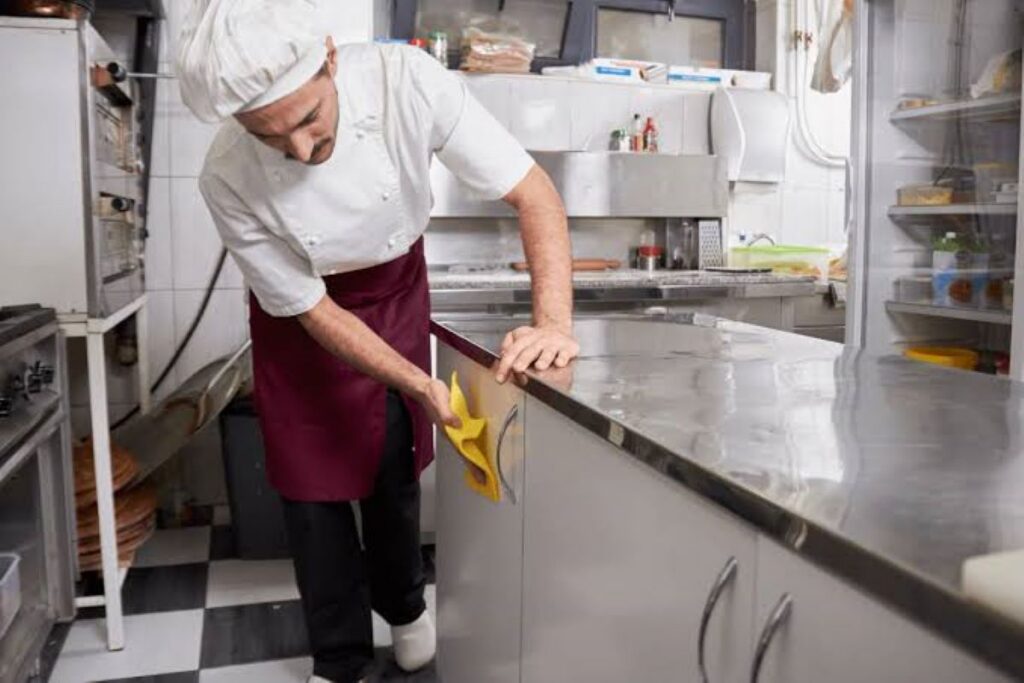
What is the simplest checklist they can follow before purchasing?
They can keep it simple: measure, test function, confirm materials, plan delivery, and plan cleaning. If any one of those fails, the purchase becomes a hassle, no matter how good it looks online.
They should also ask whether the piece will still make sense in two years. Good furniture and home decor choices hold up, and when paired with consistent upkeep, including restaurant cleaning Sydney where relevant, spaces stay inviting and dependable.
More to Read : What Should You Know About Furniture and Home Decor? Including Clinical Cleaning Services
Leave a Reply