This guide explains what to choose, what to ask a supplier, and how businesses and event organisers can get pins made without surprises.
What are custom lapel pins typically used for in Australia?
They are commonly used for staff identification, brand promotion, fundraising, and commemorations. Because pins are wearable, they turn attendees and employees into mobile brand touchpoints—especially when businesses invest in high-quality custom lapel pins Australia services.
Typical use cases include conference badges, club membership pins, corporate anniversary pins, school leadership pins, volunteer recognition, political campaigns, charity awareness, and sporting events. Many organisations also include them in welcome packs or VIP gift bags because they feel more “premium” than a flyer or sticker.
Which lapel pin styles should they choose?
They should pick a style based on the look they want, the detail in the artwork, and their budget. Most orders fall into a few reliable categories.
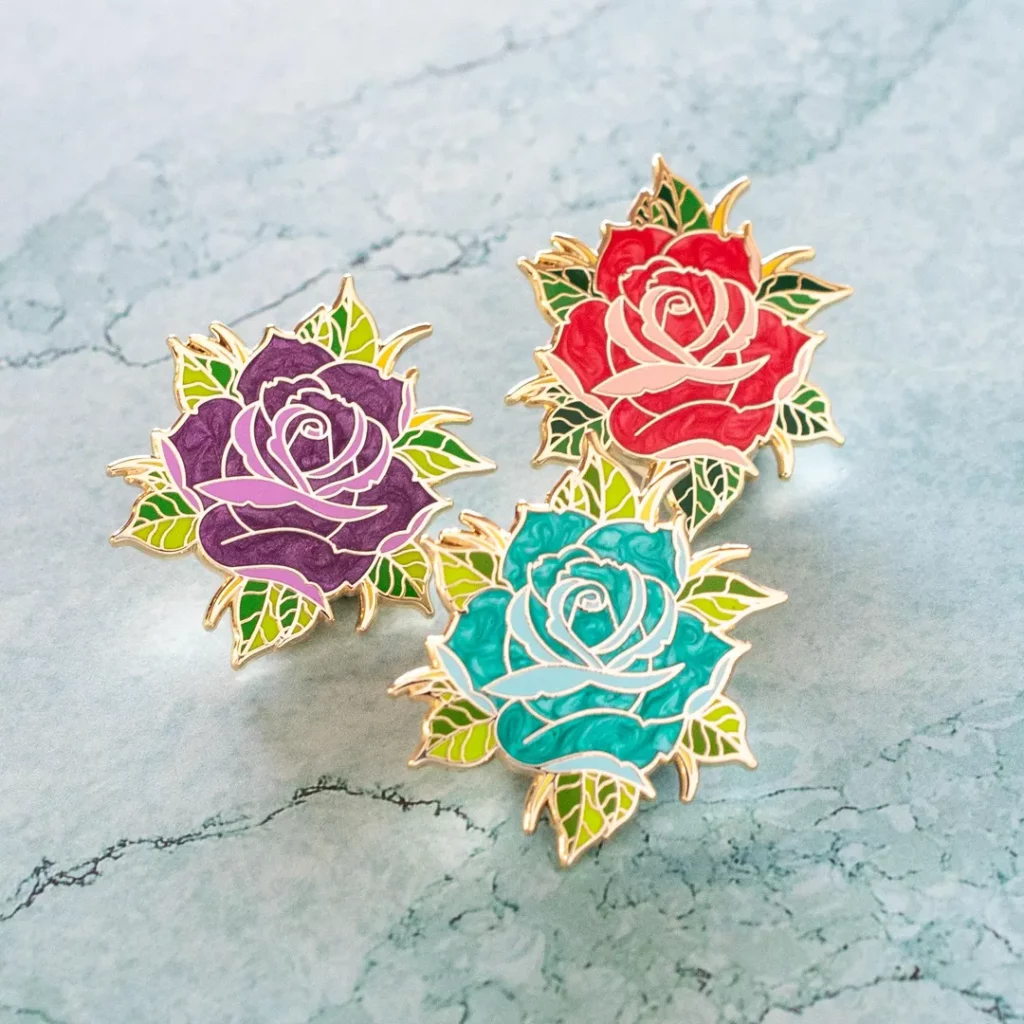
Soft enamel suits bold designs and is budget-friendly, with recessed colour areas and raised metal lines. Hard enamel looks smoother and more polished, often chosen for executive gifts. Die-struck (no colour) works well for minimalist logos. Printed pins handle gradients and photographic detail, though they can feel less “metallic” than enamel.
What materials and finishes work best for business and event pins?
They should match the finish to the brand style and where the pins will be worn. Material and plating change the perceived quality more than many people expect.
Common base metals include iron, zinc alloy, and brass. Zinc alloy is often chosen for complex shapes because it moulds well. Popular platings include gold, silver, antique brass, antique silver, and black nickel. For a modern corporate look, black nickel or polished silver is common. For heritage or commemorative themes, antique finishes add depth.
How should they design artwork that actually works on a small pin?
They should simplify early and design for readability at 25–30 mm. The best pin designs are usually less detailed than the original logo file.
A supplier will usually request vector artwork (AI, EPS, or PDF). If the design has tiny text, thin lines, or too many colours, it may need edits so it does not fill in during production. They should use high-contrast colour choices, thicker outlines, and minimal wording. If text is essential, it often works better around the edge or on a larger pin size.
What sizes and shapes are most popular for Australian organisations?
They typically choose 20–30 mm for everyday wear and 30–40 mm for statement or event pieces. Size affects readability, cost, and how formal the pin feels.
Round, shield, and custom die-cut shapes are the most common. Logos with strong silhouettes often look best as die-cut. If the design needs extra room for text or dates, a larger size avoids clutter. For high-volume giveaways, many choose a simple 25 mm soft enamel pin because it balances cost and visibility.
Which backing options should they pick for different situations?
They should pick a backing based on how securely the pin needs to stay on and what fabric it will be worn on. Backing choice is a small detail that can prevent a lot of complaints later.
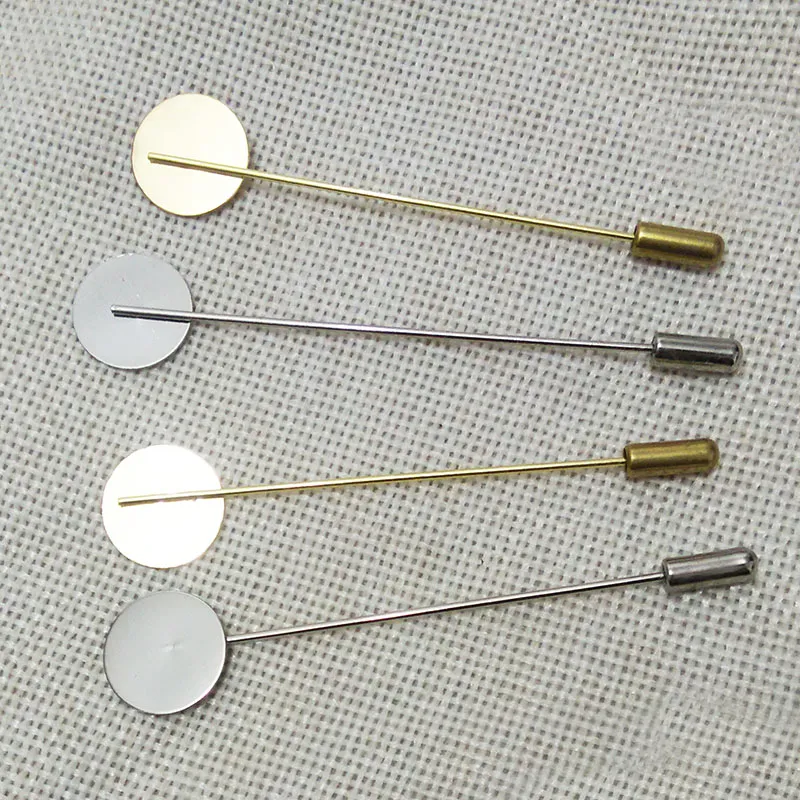
Butterfly clutches are common and affordable, but they can come loose over time. Rubber clutches grip better for active events. Magnetic backings avoid holes, which can be useful for suits or uniforms, but they can be less secure in high-movement settings. Safety pin backs work well for temporary event pins, especially when worn on lanyards or thick fabric.
How many pins should they order, and how does quantity affect price?
They should order based on a realistic distribution plan, then add a buffer for late sign-ups and VIPs. Pricing usually drops per unit as quantity increases.
Many suppliers price in tiers such as 50, 100, 200, 500, and 1,000 units. Mould fees may apply to enamel and die-struck pins, so very small runs can feel expensive per piece. If they expect recurring events, it can be smarter to order more and store extras, especially if the design will not change.
What is a typical production timeline in Australia?
They should plan for several weeks, especially if pins are being imported or if approvals take time. Rushing is possible, but rush fees and shipping costs can rise quickly.
A typical flow includes artwork proofing, mould setup (if applicable), production, quality checks, and shipping. If a deadline is fixed, they should request the estimated delivery date in writing and confirm whether it is a “dispatch date” or “arrives by” date. Event organisers should also account for internal distribution time once the carton lands.
What should they ask a supplier before placing an order?
They should ask questions that reduce risk: quality, approvals, timelines, and what happens if something arrives wrong. A short checklist can prevent most ordering mistakes.
They can ask for: a digital proof, pin size in millimetres, plating colour, Pantone matching, backing type, packaging options, mould fees, production lead time, shipping method, tracking, and remake policy. If they need colour accuracy for brand guidelines, they should ask how colours are matched and whether the proof reflects final enamel colour. Click here to get about custom challenge coins: why organisations still use them.
How can they use lapel pins effectively at events and in business settings?
They should treat pins as part of a broader experience, not just a giveaway. When pins are tied to access, status, or recognition, people keep and wear them.
At events, pins work well for speakers, sponsors, volunteers, and VIP tiers. For businesses, they can be used for onboarding packs, staff milestones, safety program recognition, or customer loyalty. Some organisations create annual editions with dates to encourage collecting. Including a short card explaining the pin’s meaning can also increase perceived value.
What are common mistakes they should avoid?
They should avoid overcomplicated designs, unclear timelines, and ignoring how pins will be worn. Most disappointments come from assumptions that were never confirmed in writing.
Common issues include tiny text, low-contrast colours, choosing the cheapest backing for a high-activity event, ordering too late, and skipping the proofing stage. Another mistake is forgetting packaging: loose pins in a bag can scratch each other. If they want a premium feel, they should consider individual polybags or backing cards.
How should they choose the right custom lapel pin supplier in Australia?
They should choose a supplier that communicates clearly, provides proofs, and can show consistent results. Price matters, but reliability matters more when a launch or event date cannot move.
They can look for a portfolio with similar pin styles, transparent pricing, proofing and revision steps, and clear timelines. Reviews that mention delivery and quality consistency are more useful than generic ratings. If they are unsure, they can order a small test run first, then scale the next order once they trust the output.
FAQs (Frequently Asked Questions)
What are the typical uses of custom lapel pins for Australian organisations?
Custom lapel pins in Australia are commonly used for staff identification, brand promotion, fundraising, and commemorations. They serve as wearable items that turn attendees and employees into mobile brand ambassadors. Typical use cases include conference badges, club membership pins, corporate anniversaries, school leadership recognition, volunteer appreciation, political campaigns, charity awareness, and sporting events.
Which styles of lapel pins should Australian businesses choose based on their needs?
The choice of lapel pin style depends on desired aesthetics, artwork detail, and budget. Soft enamel pins suit bold designs and are budget-friendly with recessed color areas. Hard enamel offers a smooth, polished finish ideal for executive gifts. Die-struck pins (without color) work well for minimalist logos. Printed pins can handle gradients and photographic details but may lack the metallic feel of enamel.
How do materials and finishes affect the quality and appearance of custom lapel pins?
Materials like iron, zinc alloy, and brass form the base of lapel pins, with zinc alloy preferred for complex shapes due to its moldability. Platings such as gold, silver, antique brass/silver, and black nickel influence perceived quality significantly. Modern corporate looks often use black nickel or polished silver finishes, while antique finishes add depth for heritage or commemorative themes.
What design tips ensure artwork works effectively on small lapel pins?
Designs should be simplified early to ensure readability at 25–30 mm sizes. Vector artwork (AI, EPS, or PDF) is preferred by suppliers. Avoid tiny text, thin lines, or excessive colors to prevent production issues. Use high-contrast colors, thicker outlines, minimal wording; if text is essential, placing it around the edge or opting for larger pin sizes improves clarity.
Which backing options are best suited for different lapel pin uses?
Backing choices depend on security needs and fabric type. Butterfly clutches are common and affordable but may loosen over time. Rubber clutches offer better grip for active events. Magnetic backings prevent fabric holes ideal for suits/uniforms but may be less secure during intense movement. Safety pin backs suit temporary event pins worn on lanyards or thick fabrics.
How should organisations plan quantities and timelines when ordering custom lapel pins in Australia?
Order quantities should align with realistic distribution plans plus a buffer for late additions or VIPs; pricing typically decreases per unit with higher volumes (tiers like 50, 100, 200 units). Production timelines span several weeks including proofing and shipping; rushing incurs extra fees. Confirm delivery dates in writing specifying ‘dispatch’ vs ‘arrival’ dates to avoid surprises.
Leave a Reply