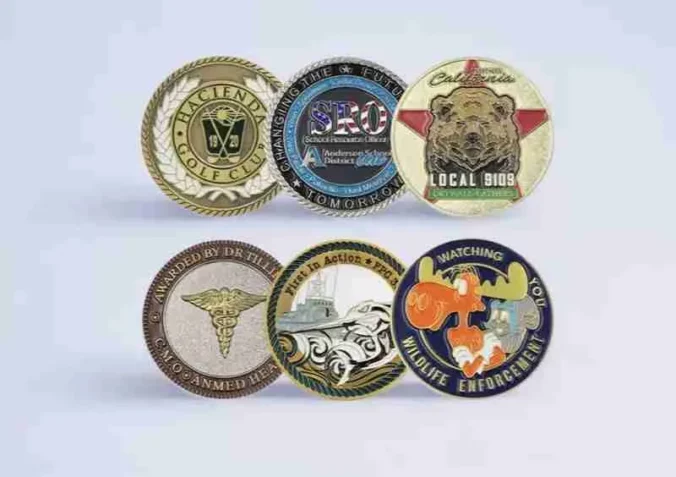
Organisations still use them to reward behaviour, build identity, mark milestones, and create traditions people talk about years later. Even in digital-first workplaces, a well-designed coin can feel surprisingly meaningful.
Why do custom challenge coins still matter in a digital world?
They matter because they are tangible proof of belonging and achievement. A coin can sit in a pocket, on a desk, or in a display and quietly reinforce pride—especially when you invest in high-quality custom challenge coins
Digital praise is easy to miss and easier to forget. A coin is harder to ignore, and that “real object” feeling often makes the moment of recognition land more deeply.
What do challenge coins communicate that other awards do not?
They communicate membership and trust at the same time. A coin tends to say, “they are one of ours,” not just, “they did a good job.”
Because coins are usually given person to person, they can carry the story of who awarded it and why. That human handoff often makes the recognition feel earned rather than automated.
How do organisations use coins to strengthen culture and identity?
They use coins as portable symbols of shared values. When a coin is tied to a mission, a code of conduct, or a team’s history, it becomes a small reminder of what the organisation stands for.
Coins also create rituals. Whether they are awarded at quarterly meetings, end-of-project reviews, or leadership visits, the repetition turns recognition into a cultural habit rather than a one-off gesture.
Why are challenge coins effective for morale and motivation?
They work because they feel exclusive and finite. A limited coin run, a specific design for a specific achievement, and a clear standard for earning it can make the reward feel genuinely special.
They also support “visible progress.” People can literally see a growing collection over time, which can reinforce commitment and create friendly motivation across teams without needing public leaderboards.
When do organisations typically award custom challenge coins?
They are often awarded for service milestones, exceptional performance, safety achievements, customer wins, and successful deployments or launches. Many organisations also use them for onboarding, graduations, and leadership recognition.
They can also mark moments that are hard to capture on a CV, like keeping calm in a crisis, mentoring others, or representing the organisation well in the community.
How do coins support tradition, storytelling, and institutional memory?
They act like small historical artifacts. A date, a motto, a unit name, a project codename, or a location stamp can preserve a moment in time.
Over time, collections become stories people share with new joiners. That storytelling helps organisations keep their identity consistent, even when teams change, leadership rotates, or offices move.
What makes a challenge coin feel “high value” to recipients?
It usually comes down to three things: design quality, scarcity, and the way it is presented. A heavy coin with crisp detailing feels different from a thin token, and recipients notice.
Presentation matters too. A coin handed over with a specific explanation of what was earned and why tends to become a keepsake. A coin left on a desk without context often loses its impact.
How do organisations customise coins without making them look generic?
They start with a clear purpose, then build the design around that story. That might include a slogan tied to a core value, iconography from a team’s work, or subtle references only insiders understand.
Practical design choices help as well, like readable text, a strong central emblem, consistent brand colours, and a clean back side for numbering or a short message. Over-designed coins can look busy and forgettable.
What role do challenge coins play in external relationships and branding?
They can be used as relationship builders with partners, clients, and visiting teams. A coin given as a thank-you or collaboration marker can feel more personal than standard corporate gifts.
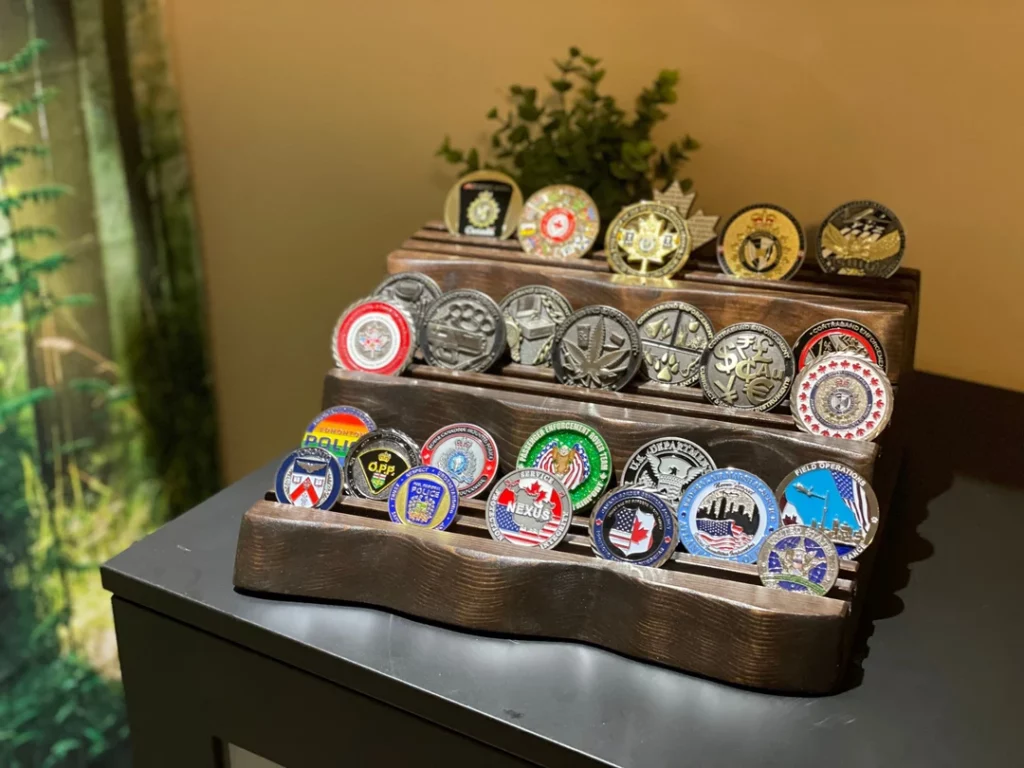
They also travel well. When recipients display them at home or at work, the organisation’s brand becomes part of their identity story, but in a way that feels earned rather than promotional. Click here to get about custom lapel pins Australia: a guide for businesses and events.
Are challenge coins only for military or uniformed services?
No, many industries use them. Corporate teams, charities, sports clubs, schools, emergency services, and volunteer groups all adopt coins because the core idea is universal.
Any organisation that wants a lightweight, memorable way to recognise contribution can use challenge coins. The tradition may have military roots, but the modern use is mostly about culture, pride, and connection.
How can organisations use challenge coins without feeling outdated or performative?
They keep the criteria clear and consistent. If everyone receives a coin for routine tasks, the coin quickly becomes background noise.
They also tie coins to real behaviour and real values, then present them properly. When leaders explain the reason, link it to impact, and make the award moment feel sincere, coins feel modern and credible.
What is the simplest way to decide if challenge coins are worth it?
They are worth it when an organisation needs recognition that lasts longer than a message and feels more personal than merchandise. Coins are especially effective when teams are distributed, retention matters, or culture needs reinforcement.
If they are designed with a clear story, awarded sparingly, and presented with meaning, custom challenge coins remain one of the most durable tools organisations have for building pride and loyalty.
See Also : Is It Legal to Get a Tattoo in Sydney Under 18?
FAQs (Frequently Asked Questions)
Why do custom challenge coins remain relevant in today’s digital-first workplaces?
Custom challenge coins remain relevant because they provide tangible proof of belonging and achievement. Unlike digital praise, which can be easily missed or forgotten, a physical coin serves as a lasting symbol of pride that can be carried or displayed, making recognition feel more personal and meaningful.
How do challenge coins uniquely communicate membership and trust within an organisation?
Challenge coins communicate membership and trust by symbolizing that the recipient is ‘one of ours,’ beyond just acknowledging a job well done. Typically awarded person-to-person, they carry the story of who gave the coin and why, making the recognition feel earned and personal rather than automated.
In what ways do organisations use challenge coins to strengthen culture and identity?
Organisations use challenge coins as portable symbols of shared values tied to their mission, code of conduct, or team history. Coins create rituals through regular awarding occasions like quarterly meetings or project reviews, turning recognition into a cultural habit that reinforces organisational identity over time.
Why are limited edition challenge coins effective for boosting morale and motivation?
Limited edition challenge coins feel exclusive and finite, making them genuinely special rewards. They support visible progress since recipients can physically see their growing collection over time, which fosters commitment and friendly motivation across teams without relying on public leaderboards.
When are custom challenge coins typically awarded within organisations?
Custom challenge coins are often awarded for service milestones, exceptional performance, safety achievements, customer wins, successful deployments or launches, onboarding completions, graduations, leadership recognition, and moments difficult to capture on a CV such as crisis management or mentoring others.
What factors contribute to a challenge coin feeling high value to its recipients?
A challenge coin feels high value due to quality design featuring heavy weight and crisp detailing, scarcity through limited runs or specific achievements, and thoughtful presentation where the coin is handed over with clear explanation about what was earned. Without context or quality design, the impact diminishes.