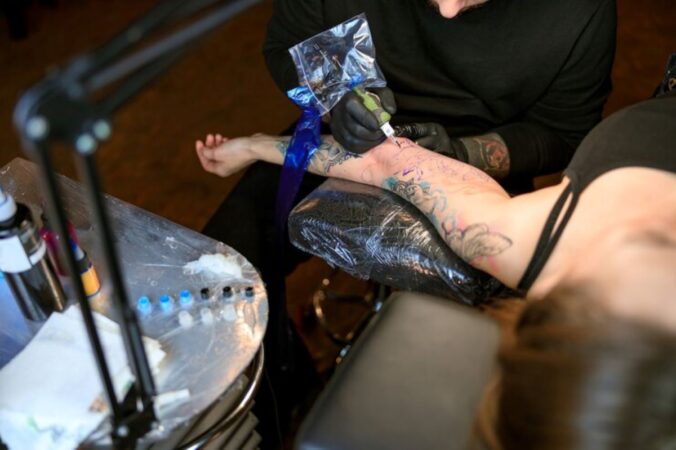
This guide explains the age rule, what parental consent really changes (and what it does not), the laws studios operate under, and what to expect when you book once you are old enough.
What Is the Legal Age to Get a Tattoo in Sydney?
In Sydney (NSW), you generally must be 18 or over to get a tattoo in Sydney at a professional studio. In practice, established studios treat 18+ as a strict rule for permanent tattooing and will check ID before any appointment begins.
This applies to commercial studios offering a tattoo in Sydney across the city, including well-known areas like Bondi Road and Surry Hills. Age checks are part of the same professional culture as sterile set-ups, clean workstations, and clear aftercare.
Why reputable Sydney tattoo studios are strict about age
They are strict because it protects you and it protects the artist. A studio that follows the rules is also more likely to follow the non-negotiables that keep tattooing safe: infection control, proper consent processes, and consistent aftercare guidance.
Sydney tattoo artists are often known for creativity, precision, and attention to detail, but the best ones also take ethics seriously. With younger clients in particular, professional artists prioritise responsible decision-making and will not rush you into something permanent.
Can You Get a Tattoo in Sydney With Parental Consent?
Parental consent does not automatically make it legal to tattoo a minor in NSW. Even if a parent attends in person, most reputable Sydney studios will still refuse to tattoo anyone under 18.
The practical reason is simple: the penalties and compliance risks are serious, and no professional studio wants to risk its licence, reputation, or your wellbeing to bend the rules.
What you can do at a tattoo studio in Sydney before you turn 18
You can still use the time well by booking a design consult (if the studio offers them) and planning properly for when you are 18. A good consult helps you lock in the idea rather than impulse-booking the moment you become eligible.
Bring a small reference board, think about size and placement, and ask what will age well on that part of the body. You can also discuss pain expectations, healing timelines, and style choices, from traditional Japanese to fine line and modern colour work.
It is also smart to plan the practical side early: budgeting for quality work, understanding booking lead times for custom pieces, and deciding which location suits you best, such as a Bondi Road or Surry Hills studio, once you are of age.
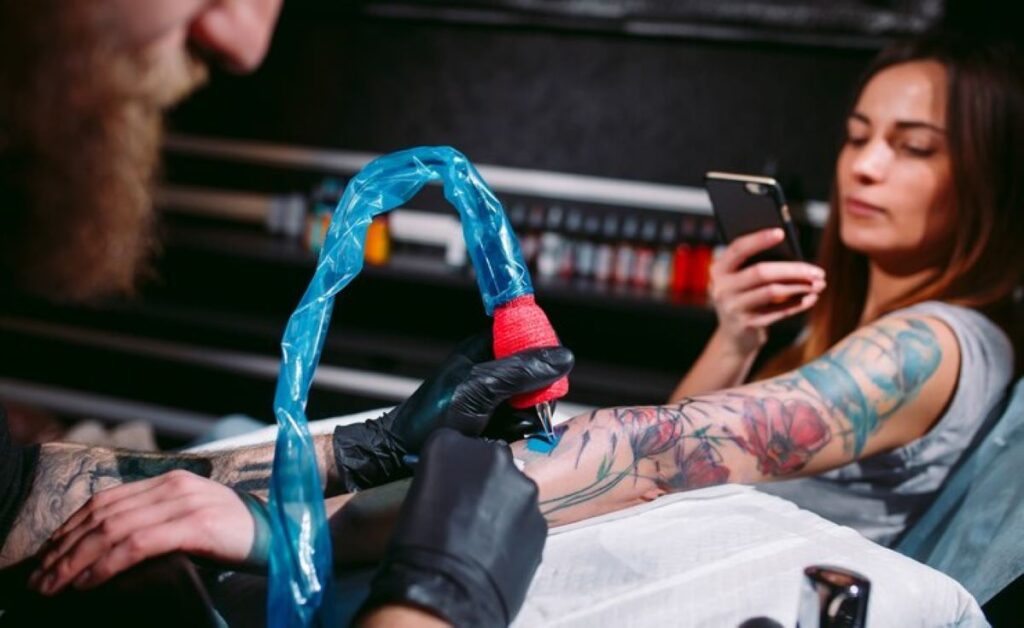
What Laws Apply to Tattoo Studios in New South Wales?
Tattooing in NSW is regulated, with rules that cover who can be tattooed, how studios must operate, and what safety obligations they must meet. For most clients, the key areas are age restrictions, consent requirements, and operator responsibilities around hygiene and record keeping.
Hygiene is not just a “nice to have”. It is both a legal expectation and a professional baseline, including sterile equipment, clean work areas, infection control processes, and proper disposal of sharps and contaminated waste.
If you are searching for the “best tattoo shop in Sydney”, compliance signals matter. Clear ID policies, proper consent forms, a clean set-up, and detailed aftercare instructions usually indicate a studio that takes the work seriously.
What “licensed/professional studio” standards look like in Sydney
A professional studio should look and feel organised. Clients typically notice clean rooms, tidy stations, gloves used correctly, and a set-up that is opened and prepared for you, not reused casually between people.
You should also see single-use needles, sealed or hygienically stored equipment, and visible sanitation steps as part of the normal routine. On the admin side, expect written consent forms, a documented booking process, and clear communication about what is being done and why.
Many good studios offer both walk-ins and bookings, but the checks should never change. Whether it is a small flash piece or a large custom session, the same standards apply every time, in every location.
Inclusive studio culture is part of professionalism too. The best studios create a supportive environment where clients can ask questions without pressure, especially first timers.
Why aftercare guidance is part of legal-grade professionalism
Aftercare reduces infection risk and protects the final result, which is why quality studios treat it as essential, not optional. You should be given clear instructions and told what is normal during healing and what is not.
Good studios often provide aftercare in more than one format, such as a printed pamphlet plus an aftercare PDF, so you can refer back to it. They also invite you to get in touch if healing looks off, rather than leaving you guessing.
Different styles can heal differently too, so a careful artist will explain what to expect for your tattoo, whether it is fine line detail, dense traditional Japanese saturation, or bold traditional work.
What Happens if a Tattoo Artist Tattoos Someone Under 18?
If an artist tattoos someone under 18, they may face legal penalties, compliance action, and serious reputational damage. In a tightly regulated industry, being known as the studio that ignores age rules can end careers.
You should care because a studio willing to cut corners on age checks may also cut corners on the things that protect your health and your tattoo. If they dismiss the law, it raises questions about hygiene, consent, and whether they will support you properly during healing.
Red flags that a “cheap” shop isn’t worth it
If a shop does not ask for ID, or acts casual about age, treat it as a major warning sign. The same goes for unclear paperwork, no conversation about risks, and vague or dismissive answers about sterilisation and infection control.
Watch for poor cleanliness, rushed set-ups, or workstations that look cluttered and unprepared. Pressure tactics are another red flag, such as “we can do it now, no questions” or discounting you into a fast decision.
A professional artist will be happy to slow down, explain the process, and make sure you are confident, informed, and legally eligible.
What Identification Do Tattoo Studios in Sydney Require?
A reputable Sydney tattoo studio will ask for valid photo ID to confirm you are 18+. You should expect this at the start of the appointment, before any paperwork is finalised or any tattooing begins.
Common acceptable IDs include an Australian driving licence, an Australian proof of age card, or a passport. Your name and date of birth must be clear and readable, and the studio may refuse unclear photos or expired documents.
How to make your first appointment smooth (especially at busy Sydney studios)
Book ahead if you want custom work, as popular artists and studios can have lead times. If a studio offers walk-in windows, they are often better suited to smaller flash pieces, but you should still expect full paperwork and ID checks.
Bring reference images, but be open to artist guidance on what will suit the placement and how details will age. Sydney artists are known for precision and creativity, and the best results often come from collaboration rather than copying.
If you are chasing a specific style, ask about guest artists and events so you can access world-class expertise without leaving Sydney. Confirm the studio location details, such as Bondi Road or Surry Hills, and arrive early to complete forms calmly.
Other Resources : Custom Challenge Coins: Why Organisations Still Use Them