best paint brushes to paint the future

Month: February 2026

Custom Challenge Coins: Why Organisations Still Use Them

Organisations still use them to reward behaviour, build identity, mark milestones, and create traditions people talk about years later. Even in digital-first workplaces, a well-designed coin can feel surprisingly meaningful.

Why do custom challenge coins still matter in a digital world?

They matter because they are tangible proof of belonging and achievement. A coin can sit in a pocket, on a desk, or in a display and quietly reinforce pride—especially when you invest in high-quality custom challenge coins

Digital praise is easy to miss and easier to forget. A coin is harder to ignore, and that “real object” feeling often makes the moment of recognition land more deeply.

What do challenge coins communicate that other awards do not?

They communicate membership and trust at the same time. A coin tends to say, “they are one of ours,” not just, “they did a good job.”

Because coins are usually given person to person, they can carry the story of who awarded it and why. That human handoff often makes the recognition feel earned rather than automated.

How do organisations use coins to strengthen culture and identity?

They use coins as portable symbols of shared values. When a coin is tied to a mission, a code of conduct, or a team’s history, it becomes a small reminder of what the organisation stands for.

Coins also create rituals. Whether they are awarded at quarterly meetings, end-of-project reviews, or leadership visits, the repetition turns recognition into a cultural habit rather than a one-off gesture.

Why are challenge coins effective for morale and motivation?

They work because they feel exclusive and finite. A limited coin run, a specific design for a specific achievement, and a clear standard for earning it can make the reward feel genuinely special.

They also support “visible progress.” People can literally see a growing collection over time, which can reinforce commitment and create friendly motivation across teams without needing public leaderboards.

When do organisations typically award custom challenge coins?

They are often awarded for service milestones, exceptional performance, safety achievements, customer wins, and successful deployments or launches. Many organisations also use them for onboarding, graduations, and leadership recognition.

They can also mark moments that are hard to capture on a CV, like keeping calm in a crisis, mentoring others, or representing the organisation well in the community.

How do coins support tradition, storytelling, and institutional memory?

They act like small historical artifacts. A date, a motto, a unit name, a project codename, or a location stamp can preserve a moment in time.

Over time, collections become stories people share with new joiners. That storytelling helps organisations keep their identity consistent, even when teams change, leadership rotates, or offices move.

What makes a challenge coin feel “high value” to recipients?

It usually comes down to three things: design quality, scarcity, and the way it is presented. A heavy coin with crisp detailing feels different from a thin token, and recipients notice.

Presentation matters too. A coin handed over with a specific explanation of what was earned and why tends to become a keepsake. A coin left on a desk without context often loses its impact.

How do organisations customise coins without making them look generic?

They start with a clear purpose, then build the design around that story. That might include a slogan tied to a core value, iconography from a team’s work, or subtle references only insiders understand.

Practical design choices help as well, like readable text, a strong central emblem, consistent brand colours, and a clean back side for numbering or a short message. Over-designed coins can look busy and forgettable.

What role do challenge coins play in external relationships and branding?

They can be used as relationship builders with partners, clients, and visiting teams. A coin given as a thank-you or collaboration marker can feel more personal than standard corporate gifts.
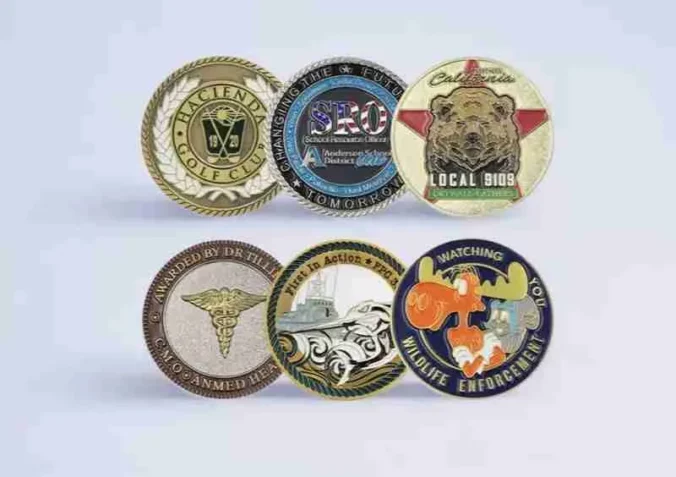
Custom Challenge Coins

They also travel well. When recipients display them at home or at work, the organisation’s brand becomes part of their identity story, but in a way that feels earned rather than promotional. Click here to get about custom lapel pins Australia: a guide for businesses and events.

Are challenge coins only for military or uniformed services?

No, many industries use them. Corporate teams, charities, sports clubs, schools, emergency services, and volunteer groups all adopt coins because the core idea is universal.

Any organisation that wants a lightweight, memorable way to recognise contribution can use challenge coins. The tradition may have military roots, but the modern use is mostly about culture, pride, and connection.

How can organisations use challenge coins without feeling outdated or performative?

They keep the criteria clear and consistent. If everyone receives a coin for routine tasks, the coin quickly becomes background noise.

They also tie coins to real behaviour and real values, then present them properly. When leaders explain the reason, link it to impact, and make the award moment feel sincere, coins feel modern and credible.

What is the simplest way to decide if challenge coins are worth it?

They are worth it when an organisation needs recognition that lasts longer than a message and feels more personal than merchandise. Coins are especially effective when teams are distributed, retention matters, or culture needs reinforcement.

If they are designed with a clear story, awarded sparingly, and presented with meaning, custom challenge coins remain one of the most durable tools organisations have for building pride and loyalty.

FAQs (Frequently Asked Questions)

Why do custom challenge coins remain relevant in today’s digital-first workplaces?

Custom challenge coins remain relevant because they provide tangible proof of belonging and achievement. Unlike digital praise, which can be easily missed or forgotten, a physical coin serves as a lasting symbol of pride that can be carried or displayed, making recognition feel more personal and meaningful.

How do challenge coins uniquely communicate membership and trust within an organisation?

Challenge coins communicate membership and trust by symbolizing that the recipient is ‘one of ours,’ beyond just acknowledging a job well done. Typically awarded person-to-person, they carry the story of who gave the coin and why, making the recognition feel earned and personal rather than automated.

In what ways do organisations use challenge coins to strengthen culture and identity?

Organisations use challenge coins as portable symbols of shared values tied to their mission, code of conduct, or team history. Coins create rituals through regular awarding occasions like quarterly meetings or project reviews, turning recognition into a cultural habit that reinforces organisational identity over time.

Why are limited edition challenge coins effective for boosting morale and motivation?

Limited edition challenge coins feel exclusive and finite, making them genuinely special rewards. They support visible progress since recipients can physically see their growing collection over time, which fosters commitment and friendly motivation across teams without relying on public leaderboards.
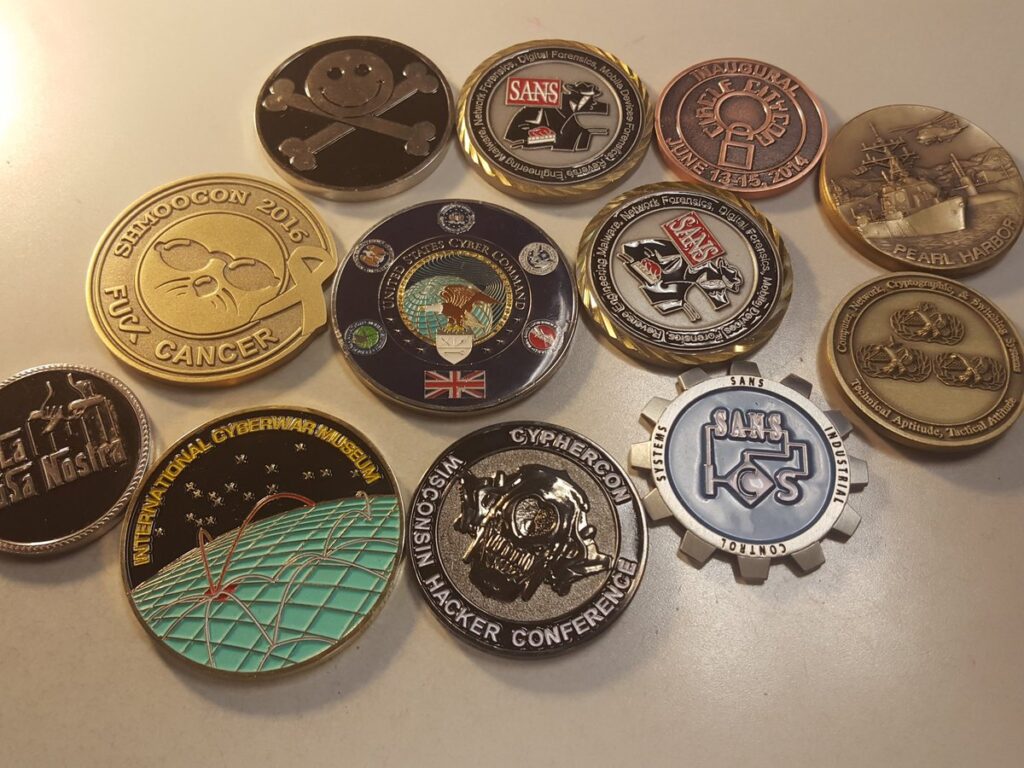
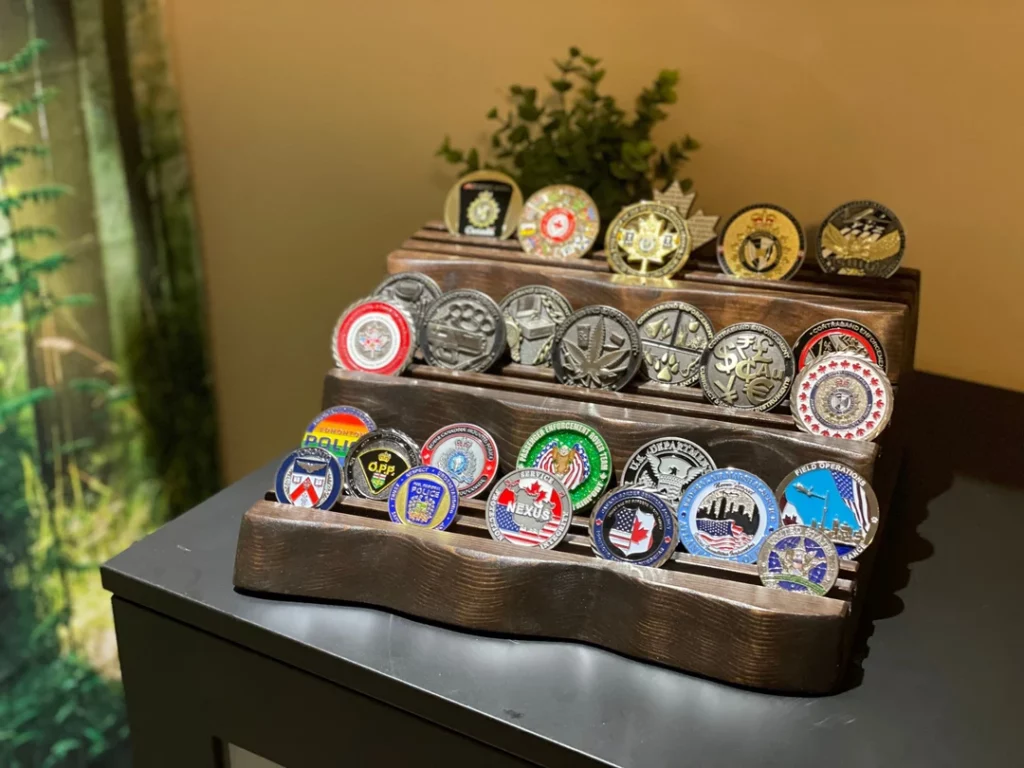
Custom Challenge Coins

When are custom challenge coins typically awarded within organisations?

Custom challenge coins are often awarded for service milestones, exceptional performance, safety achievements, customer wins, successful deployments or launches, onboarding completions, graduations, leadership recognition, and moments difficult to capture on a CV such as crisis management or mentoring others.

What factors contribute to a challenge coin feeling high value to its recipients?

A challenge coin feels high value due to quality design featuring heavy weight and crisp detailing, scarcity through limited runs or specific achievements, and thoughtful presentation where the coin is handed over with clear explanation about what was earned. Without context or quality design, the impact diminishes.
Custom Lapel Pins Australia: A Guide for Businesses and Events

This guide explains what to choose, what to ask a supplier, and how businesses and event organisers can get pins made without surprises.

What are custom lapel pins typically used for in Australia?

They are commonly used for staff identification, brand promotion, fundraising, and commemorations. Because pins are wearable, they turn attendees and employees into mobile brand touchpoints—especially when businesses invest in high-quality custom lapel pins Australia services.

Typical use cases include conference badges, club membership pins, corporate anniversary pins, school leadership pins, volunteer recognition, political campaigns, charity awareness, and sporting events. Many organisations also include them in welcome packs or VIP gift bags because they feel more “premium” than a flyer or sticker.

Which lapel pin styles should they choose?

They should pick a style based on the look they want, the detail in the artwork, and their budget. Most orders fall into a few reliable categories.

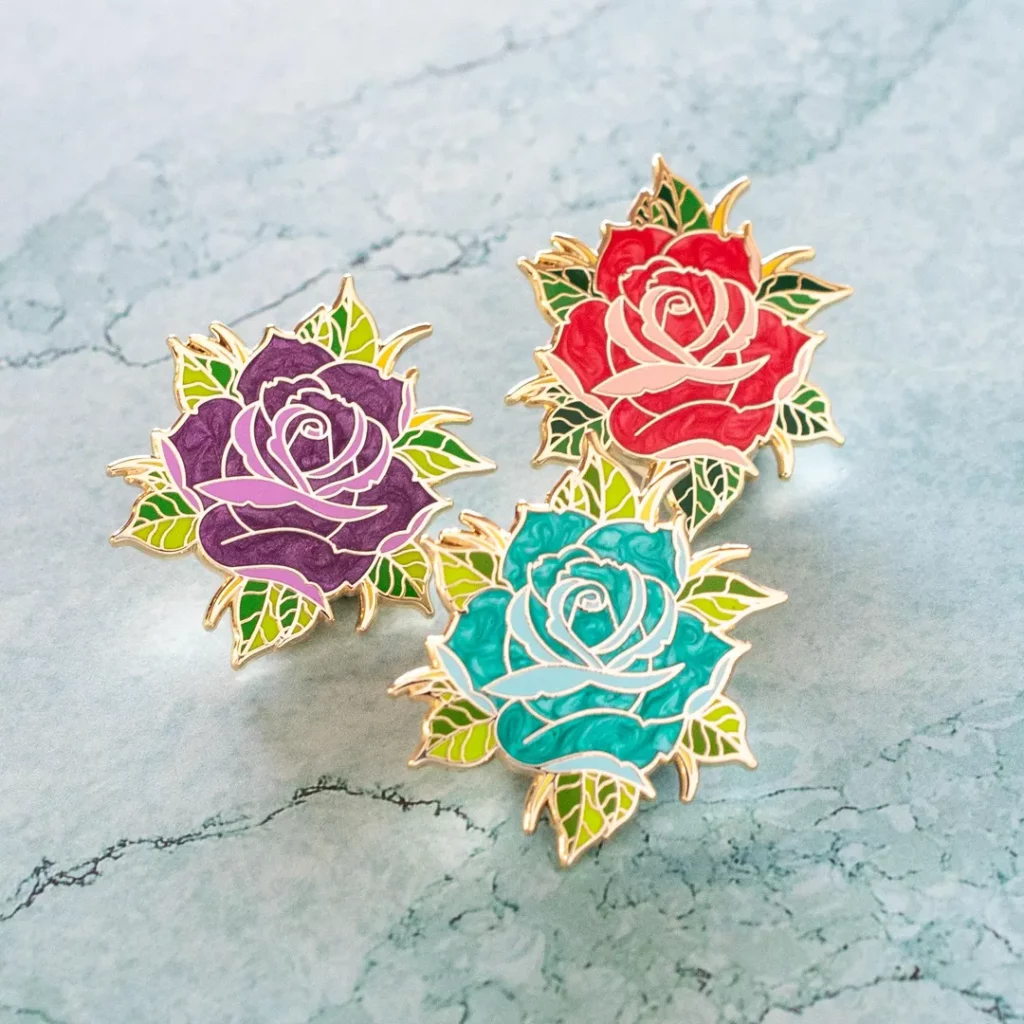
Soft enamel suits bold designs and is budget-friendly, with recessed colour areas and raised metal lines. Hard enamel looks smoother and more polished, often chosen for executive gifts. Die-struck (no colour) works well for minimalist logos. Printed pins handle gradients and photographic detail, though they can feel less “metallic” than enamel.

What materials and finishes work best for business and event pins?

They should match the finish to the brand style and where the pins will be worn. Material and plating change the perceived quality more than many people expect.

Common base metals include iron, zinc alloy, and brass. Zinc alloy is often chosen for complex shapes because it moulds well. Popular platings include gold, silver, antique brass, antique silver, and black nickel. For a modern corporate look, black nickel or polished silver is common. For heritage or commemorative themes, antique finishes add depth.

How should they design artwork that actually works on a small pin?

They should simplify early and design for readability at 25–30 mm. The best pin designs are usually less detailed than the original logo file.

A supplier will usually request vector artwork (AI, EPS, or PDF). If the design has tiny text, thin lines, or too many colours, it may need edits so it does not fill in during production. They should use high-contrast colour choices, thicker outlines, and minimal wording. If text is essential, it often works better around the edge or on a larger pin size.

They typically choose 20–30 mm for everyday wear and 30–40 mm for statement or event pieces. Size affects readability, cost, and how formal the pin feels.

Round, shield, and custom die-cut shapes are the most common. Logos with strong silhouettes often look best as die-cut. If the design needs extra room for text or dates, a larger size avoids clutter. For high-volume giveaways, many choose a simple 25 mm soft enamel pin because it balances cost and visibility.

Which backing options should they pick for different situations?

They should pick a backing based on how securely the pin needs to stay on and what fabric it will be worn on. Backing choice is a small detail that can prevent a lot of complaints later.

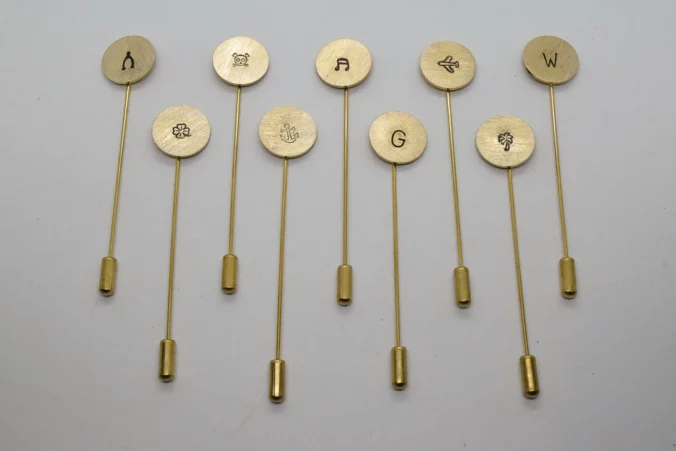
Butterfly clutches are common and affordable, but they can come loose over time. Rubber clutches grip better for active events. Magnetic backings avoid holes, which can be useful for suits or uniforms, but they can be less secure in high-movement settings. Safety pin backs work well for temporary event pins, especially when worn on lanyards or thick fabric.

How many pins should they order, and how does quantity affect price?

They should order based on a realistic distribution plan, then add a buffer for late sign-ups and VIPs. Pricing usually drops per unit as quantity increases.

Many suppliers price in tiers such as 50, 100, 200, 500, and 1,000 units. Mould fees may apply to enamel and die-struck pins, so very small runs can feel expensive per piece. If they expect recurring events, it can be smarter to order more and store extras, especially if the design will not change.

What is a typical production timeline in Australia?

They should plan for several weeks, especially if pins are being imported or if approvals take time. Rushing is possible, but rush fees and shipping costs can rise quickly.

A typical flow includes artwork proofing, mould setup (if applicable), production, quality checks, and shipping. If a deadline is fixed, they should request the estimated delivery date in writing and confirm whether it is a “dispatch date” or “arrives by” date. Event organisers should also account for internal distribution time once the carton lands.

What should they ask a supplier before placing an order?

They should ask questions that reduce risk: quality, approvals, timelines, and what happens if something arrives wrong. A short checklist can prevent most ordering mistakes.

Custom Lapel Pins

They can ask for: a digital proof, pin size in millimetres, plating colour, Pantone matching, backing type, packaging options, mould fees, production lead time, shipping method, tracking, and remake policy. If they need colour accuracy for brand guidelines, they should ask how colours are matched and whether the proof reflects final enamel colour. Click here to get about custom challenge coins: why organisations still use them.

How can they use lapel pins effectively at events and in business settings?

They should treat pins as part of a broader experience, not just a giveaway. When pins are tied to access, status, or recognition, people keep and wear them.

At events, pins work well for speakers, sponsors, volunteers, and VIP tiers. For businesses, they can be used for onboarding packs, staff milestones, safety program recognition, or customer loyalty. Some organisations create annual editions with dates to encourage collecting. Including a short card explaining the pin’s meaning can also increase perceived value.

What are common mistakes they should avoid?

They should avoid overcomplicated designs, unclear timelines, and ignoring how pins will be worn. Most disappointments come from assumptions that were never confirmed in writing.

Common issues include tiny text, low-contrast colours, choosing the cheapest backing for a high-activity event, ordering too late, and skipping the proofing stage. Another mistake is forgetting packaging: loose pins in a bag can scratch each other. If they want a premium feel, they should consider individual polybags or backing cards.

How should they choose the right custom lapel pin supplier in Australia?

They should choose a supplier that communicates clearly, provides proofs, and can show consistent results. Price matters, but reliability matters more when a launch or event date cannot move.

They can look for a portfolio with similar pin styles, transparent pricing, proofing and revision steps, and clear timelines. Reviews that mention delivery and quality consistency are more useful than generic ratings. If they are unsure, they can order a small test run first, then scale the next order once they trust the output.

FAQs (Frequently Asked Questions)

What are the typical uses of custom lapel pins for Australian organisations?

Custom lapel pins in Australia are commonly used for staff identification, brand promotion, fundraising, and commemorations. They serve as wearable items that turn attendees and employees into mobile brand ambassadors. Typical use cases include conference badges, club membership pins, corporate anniversaries, school leadership recognition, volunteer appreciation, political campaigns, charity awareness, and sporting events.

Which styles of lapel pins should Australian businesses choose based on their needs?

The choice of lapel pin style depends on desired aesthetics, artwork detail, and budget. Soft enamel pins suit bold designs and are budget-friendly with recessed color areas. Hard enamel offers a smooth, polished finish ideal for executive gifts. Die-struck pins (without color) work well for minimalist logos. Printed pins can handle gradients and photographic details but may lack the metallic feel of enamel.

How do materials and finishes affect the quality and appearance of custom lapel pins?

Materials like iron, zinc alloy, and brass form the base of lapel pins, with zinc alloy preferred for complex shapes due to its moldability. Platings such as gold, silver, antique brass/silver, and black nickel influence perceived quality significantly. Modern corporate looks often use black nickel or polished silver finishes, while antique finishes add depth for heritage or commemorative themes.

What design tips ensure artwork works effectively on small lapel pins?

Designs should be simplified early to ensure readability at 25–30 mm sizes. Vector artwork (AI, EPS, or PDF) is preferred by suppliers. Avoid tiny text, thin lines, or excessive colors to prevent production issues. Use high-contrast colors, thicker outlines, minimal wording; if text is essential, placing it around the edge or opting for larger pin sizes improves clarity.

Custom Lapel Pins

Which backing options are best suited for different lapel pin uses?

Backing choices depend on security needs and fabric type. Butterfly clutches are common and affordable but may loosen over time. Rubber clutches offer better grip for active events. Magnetic backings prevent fabric holes ideal for suits/uniforms but may be less secure during intense movement. Safety pin backs suit temporary event pins worn on lanyards or thick fabrics.

How should organisations plan quantities and timelines when ordering custom lapel pins in Australia?

Order quantities should align with realistic distribution plans plus a buffer for late additions or VIPs; pricing typically decreases per unit with higher volumes (tiers like 50, 100, 200 units). Production timelines span several weeks including proofing and shipping; rushing incurs extra fees. Confirm delivery dates in writing specifying ‘dispatch’ vs ‘arrival’ dates to avoid surprises.

© 2026 Arts Freedom AU

Theme by Anders NorenUp ↑